






















How we handle property photography at scale
At half a million listings, property photography is an infrastructure problem. Here is how we process, normalise and serve photos from 18 different CRM sources consistently.
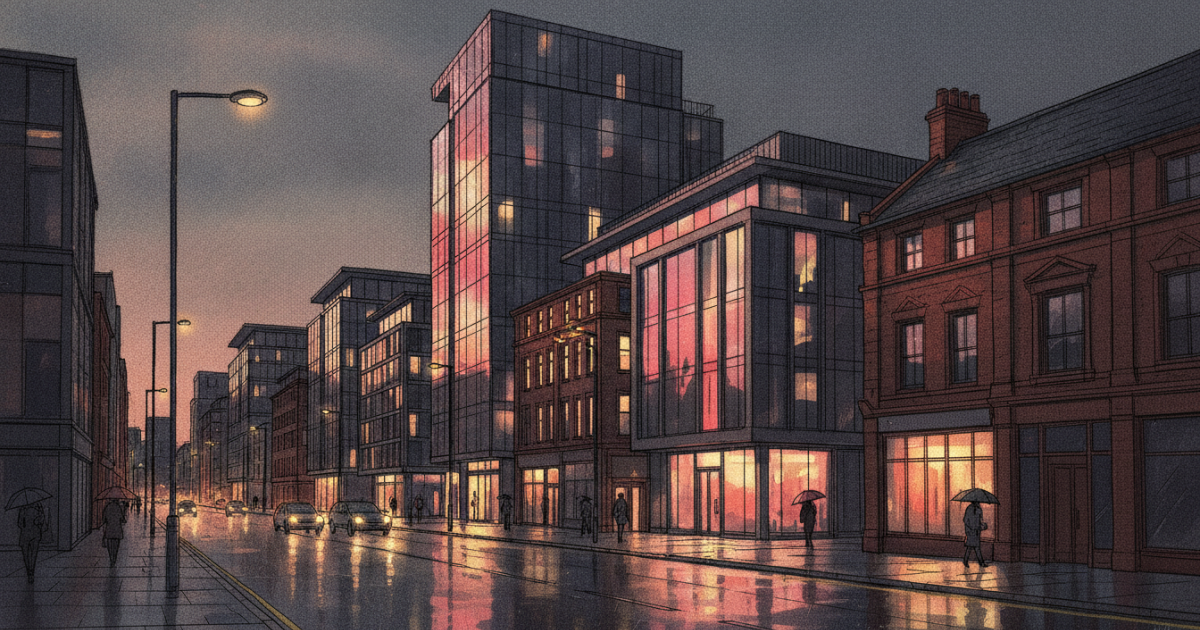
When you list a property on Home, you upload photographs. Those photos need to be received, processed, sized, served quickly, and presented consistently whether they come from a direct upload, a CRM feed or a surveyor's report. Home currently tracks 1,249,531 live UK listings, sale and rental combined. At that scale, photo handling is not a trivial problem.
This is a short piece about what we have built and why, for agents curious about what happens to their photos, and for the wider community of developers building in the property space.
The challenge with listing photography
Every CRM sends photos differently. Some send a URL to a hosted image. Some send base64-encoded data. Some send them in a non-standard order. Some send them at wildly varying resolutions.
A portal that receives photos from 18 different CRM integrations either accepts chaos or enforces a standard. We enforce a standard. Every photo that enters the platform goes through a processing step: normalised resolution, consistent output format, stripped EXIF data, quality checks. The result is that a photo uploaded through Loop Software looks and loads the same way as one uploaded through Alto, through a Street.co.uk feed, or manually via drag-and-drop. That standard is also why listings display consistently whichever route they took onto the platform, including the 45,623 new-build listings currently live on Home.
Rendering and delivery
Once processed, photos are served from a content delivery network rather than directly from our servers. That keeps load times fast regardless of where the viewer is, and it means pages with multiple photos do not slow down on mobile connections.
For property report photos (used in surveyor reports via Otto), the rendering pipeline has additional steps: photos are resized for specific report layouts, referenced in the document structure, and processed for AI image analysis where the surveyor has opted in. That last step is the same underlying process we describe in how Otto reads condition from a property photograph.
What we are building next
We are developing a 3D property rendering capability for selected property types. This is a longer piece of infrastructure work and not something we are ready to announce publicly yet. We will say more when it is ready for agents to use.
In the meantime, if you have questions about photo quality or processing when listing on Home, the support team can help.
Home's photography processing pipeline is internal infrastructure. Technical details are accurate at the time of writing but subject to change.
Thinking about your next move?
See what your home's worth in seconds, with the UK's longest-running property data behind it.
Get an instant valuation