









How Otto reads condition from a property photograph
Otto uses GPT-4o image analysis to identify defects and conditions in survey photographs. Here is what it does, what it cannot do, and why the surveyor stays in control.
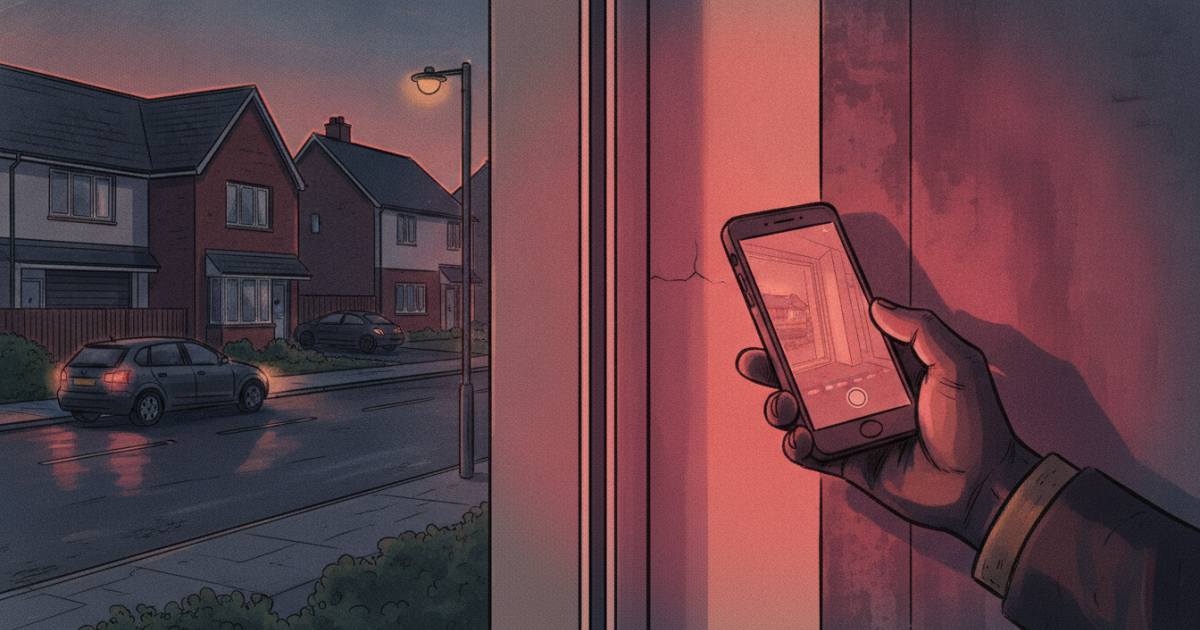
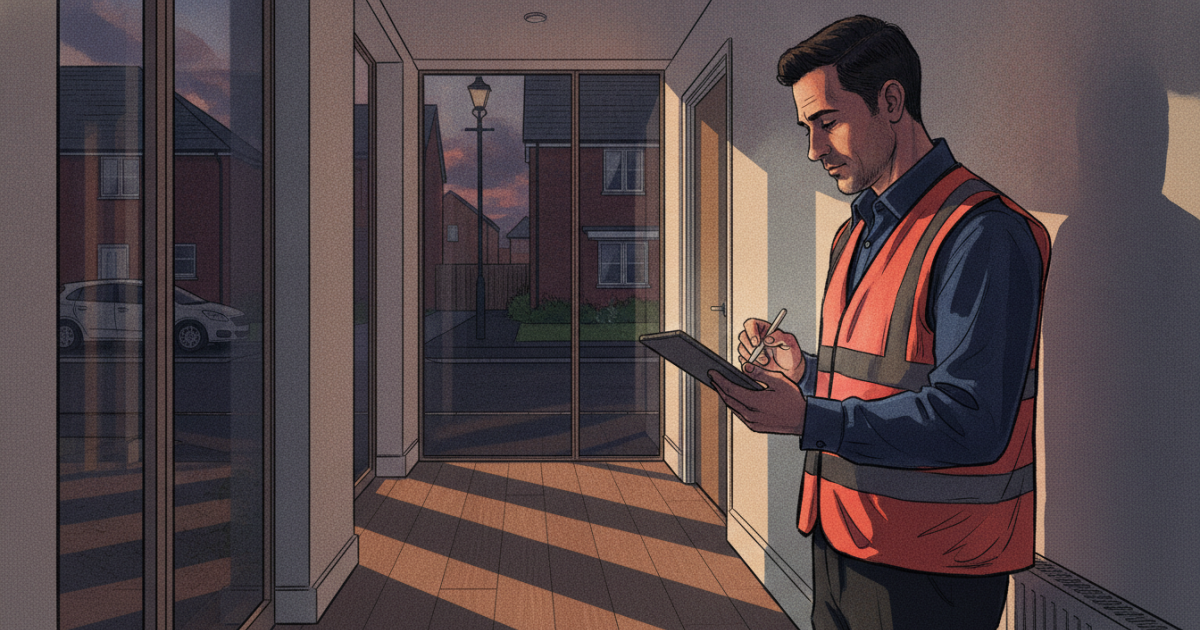
Surveyors take dozens of photographs during an inspection. When the inspection is done, those photographs sit in a camera roll or folder, and the surveyor has to work through them, match each one to a report section, and translate what they can see into written observations.
Otto's image analysis is built to take some of that load. Here is an honest account of how it works and where it stops, without overstating what a camera can tell you about a building.
Uploading photographs to Otto
Photographs can be uploaded during or after an inspection. The surveyor assigns each photo to a report section (or lets Otto suggest one), and Otto processes the image using GPT-4o, a multimodal model with strong visual reasoning.
Photos do not need to be professional quality. Inspection photographs taken on a phone in mixed lighting are typical. Otto is designed to work with that kind of image, not controlled studio shots.
What GPT-4o looks for
When Otto sends an image to GPT-4o, it includes a prompt shaped by the report section the photo is assigned to. If the photo is in the "External walls" section, the model looks for: visible cracks, mortar erosion, efflorescence, staining, damp patches, damaged render, gaps around openings. If it is in "Roof coverings", it looks for slipped, broken or missing tiles, damaged verges, moss growth, sagging.
The model returns a text description of what it can observe. That description becomes a candidate observation in the relevant section of the draft report.
What the analysis does not do
The analysis does not assign a condition rating. A RICS condition rating (1, 2, or 3) is a professional judgement based on more than a photograph can tell: the severity and context of a defect, whether it is an isolated occurrence or a pattern, the age and construction of the building, and what remediation would involve. A camera cannot observe a damp reading, probe a wall, or lift a hatch. We built the rating fidelity guarantee specifically so an AI description can never quietly become a rating on its own.
Otto's image analysis produces observations, not ratings. The surveyor reads the AI's description alongside their own notes and sets every rating themselves.
There is also a practical limitation: photographs show what was in frame on the day, at the angle the surveyor held the camera. Otto cannot see behind things, beneath surfaces, or into areas that were not photographed.
Reducing the gap between inspection and draft
The value is not that Otto understands a property better than the surveyor. It does not. The value is that it processes images quickly and consistently, pulling out visible observations that the surveyor can accept, modify, or reject. A surveyor reviewing AI-drafted observations for a section they photographed thoroughly will typically find they are editing rather than writing from scratch.
For a surveyor completing multiple reports a week, that is meaningful time saved, concentrated at the point in the workflow that is most mechanical: translating what you already know you saw into written sentences. It sits alongside Otto's dictation transcription, which does the same job for spoken notes: draft the wording quickly, leave the judgement to the surveyor.
The surveyor as final reviewer
Every observation produced by image analysis is presented to the surveyor as a suggestion. They can edit the text, remove observations, add observations the AI missed, and they must set every condition rating themselves. Nothing from the image analysis appears in a published report without the surveyor reading and confirming it.
This is not a legal disclaimer added at the end. It is how Otto is designed. The AI-produced observations are a working draft; the surveyor's review is what turns it into a RICS report. The same principle runs through the choice between report types: our guide to Level 2 vs Level 3 surveys covers what a survey can and cannot tell a buyer, in the same spirit of being clear about limits.
Find out more about Otto and the wider toolset for RICS surveyors.
Otto's image analysis is a drafting aid. The chartered surveyor is responsible for all observations, condition ratings, and conclusions in any RICS report produced using Otto.
Thinking about your next move?
See what your home's worth in seconds, with the UK's longest-running property data behind it.
Get an instant valuation