
















For Homebuyers
Compare local RICS surveyors
Compare fixed quotes, availability and verified reviews from local RICS-regulated surveyors.
Completely private unless you choose to book.
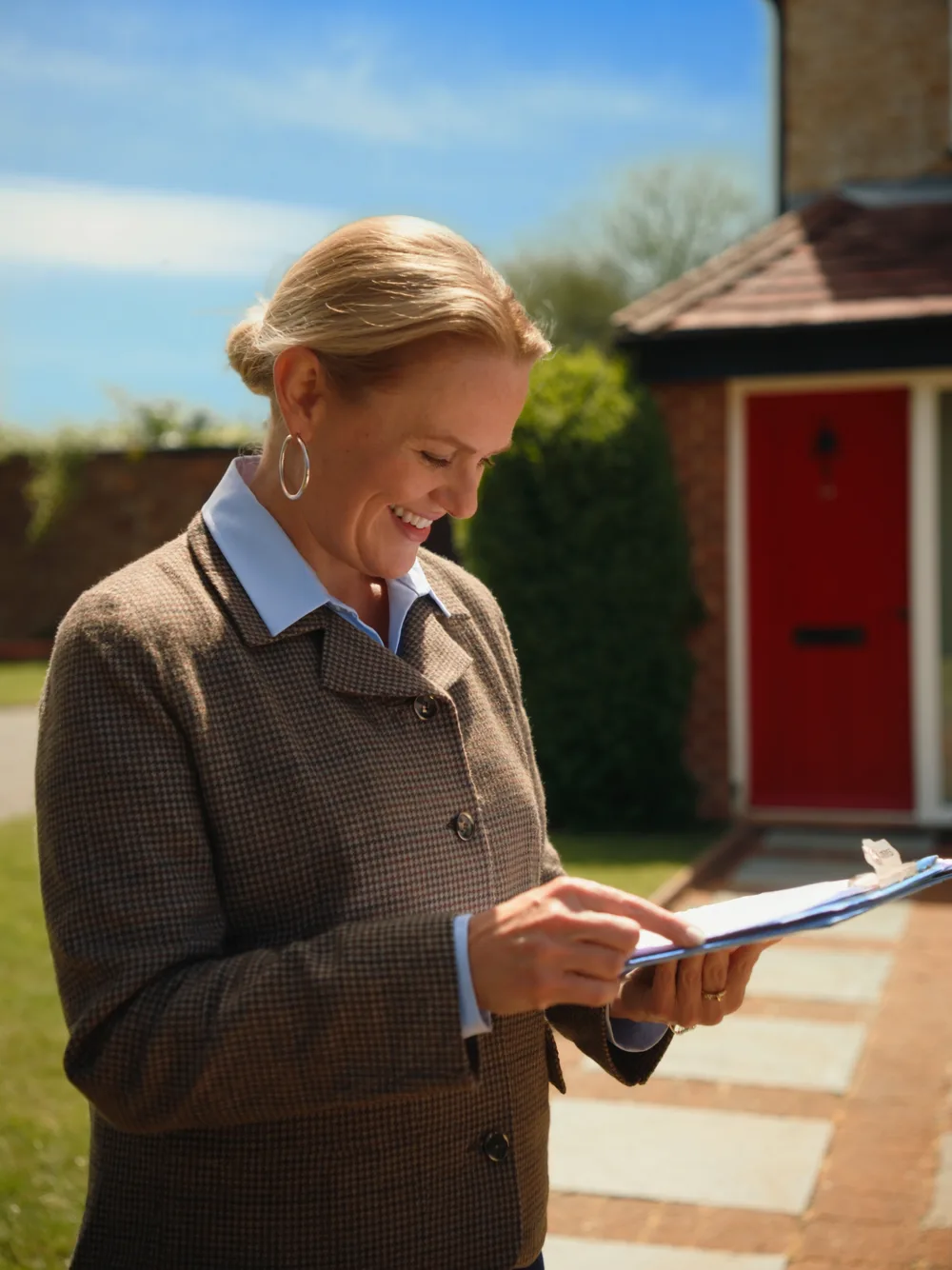
Every firm
shown is RICS-regulated
£0
hidden fees — fixed prices inc. VAT
UK-wide
local surveyor coverage
12 mins
from postcode to booked
What your surveyor is looking for
You only buy it once.
Find everything first.
A survey is a trained pair of eyes on the parts of a house you’d never check yourself. This is what surveyors find every week.
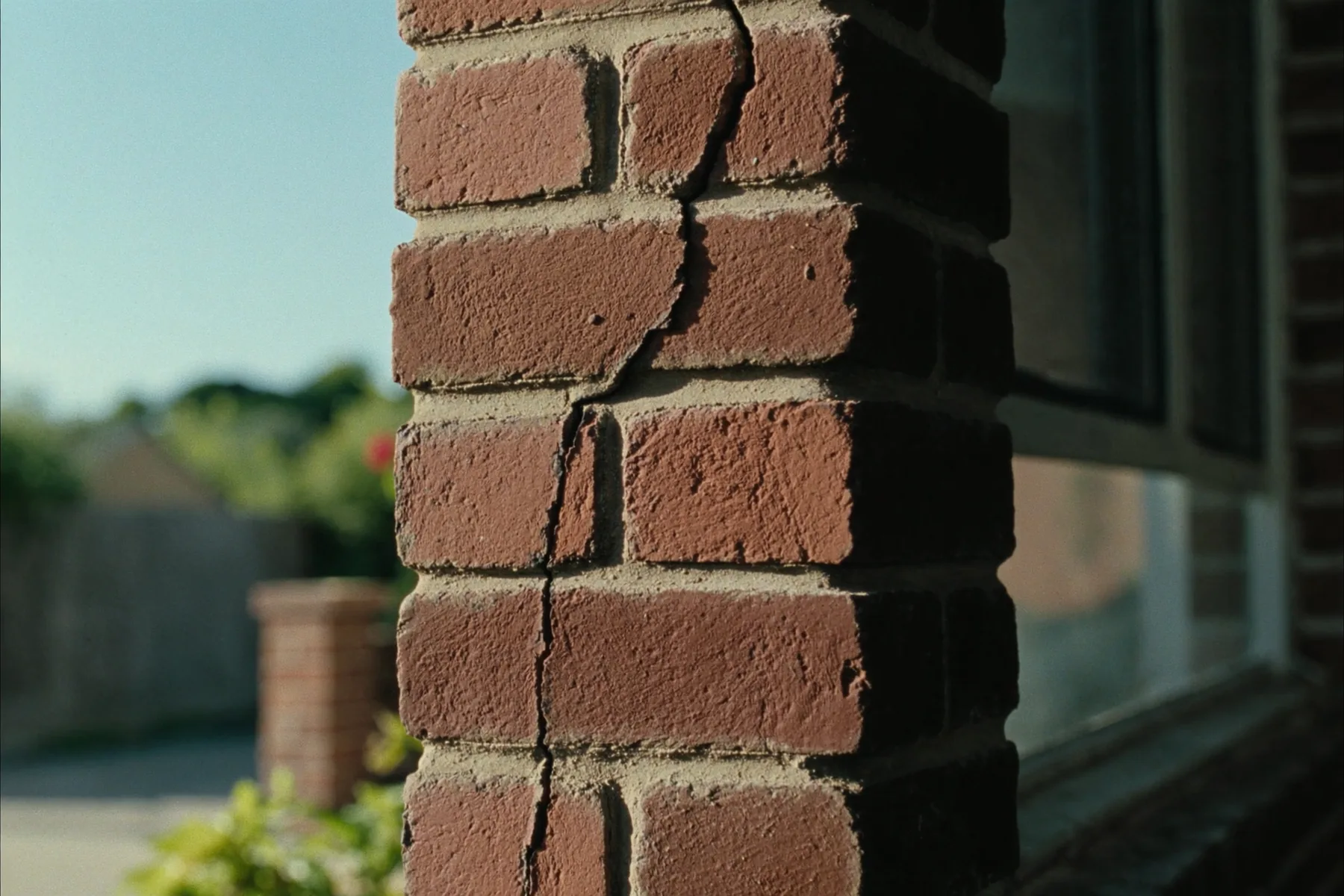
Structural movement
Stepped cracking through brickwork that may need monitoring, repair or further investigation.
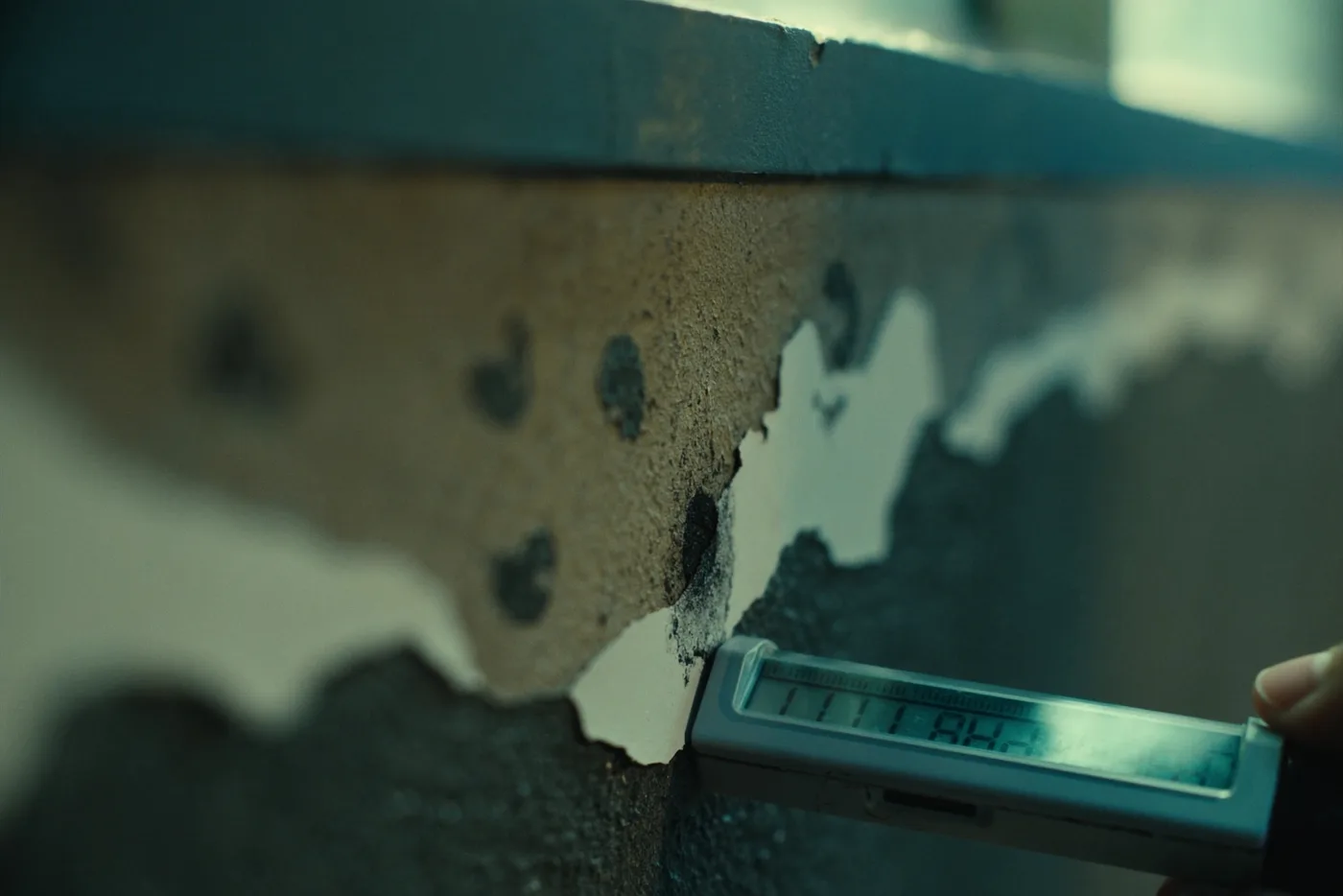
Damp & moisture
Penetrating and rising damp, blistered finishes and moisture readings behind the paint.
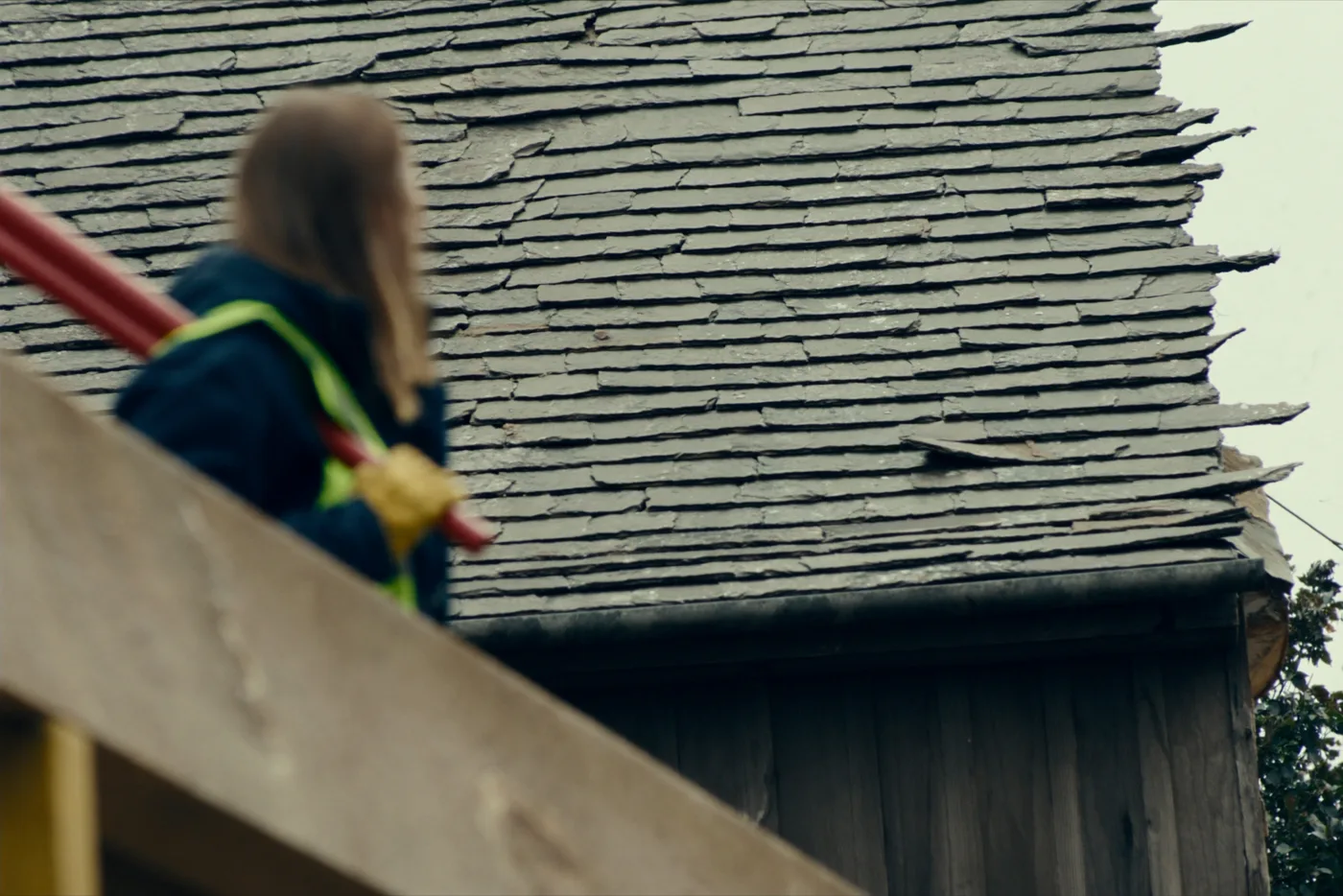
Roof defects
Slipped, cracked and delaminating tiles a buyer never sees from the pavement.

Blocked guttering
Moss-packed, overflowing gutters quietly soaking the wall below.

Condensation & mould
Cold spots, failed seals and black mould around frames and finishes.

Ceiling stains & leaks
Tide-marks and sagging that betray a leak somewhere above.

Plumbing & drainage
Corroded joints, slow drips and ageing pipework.
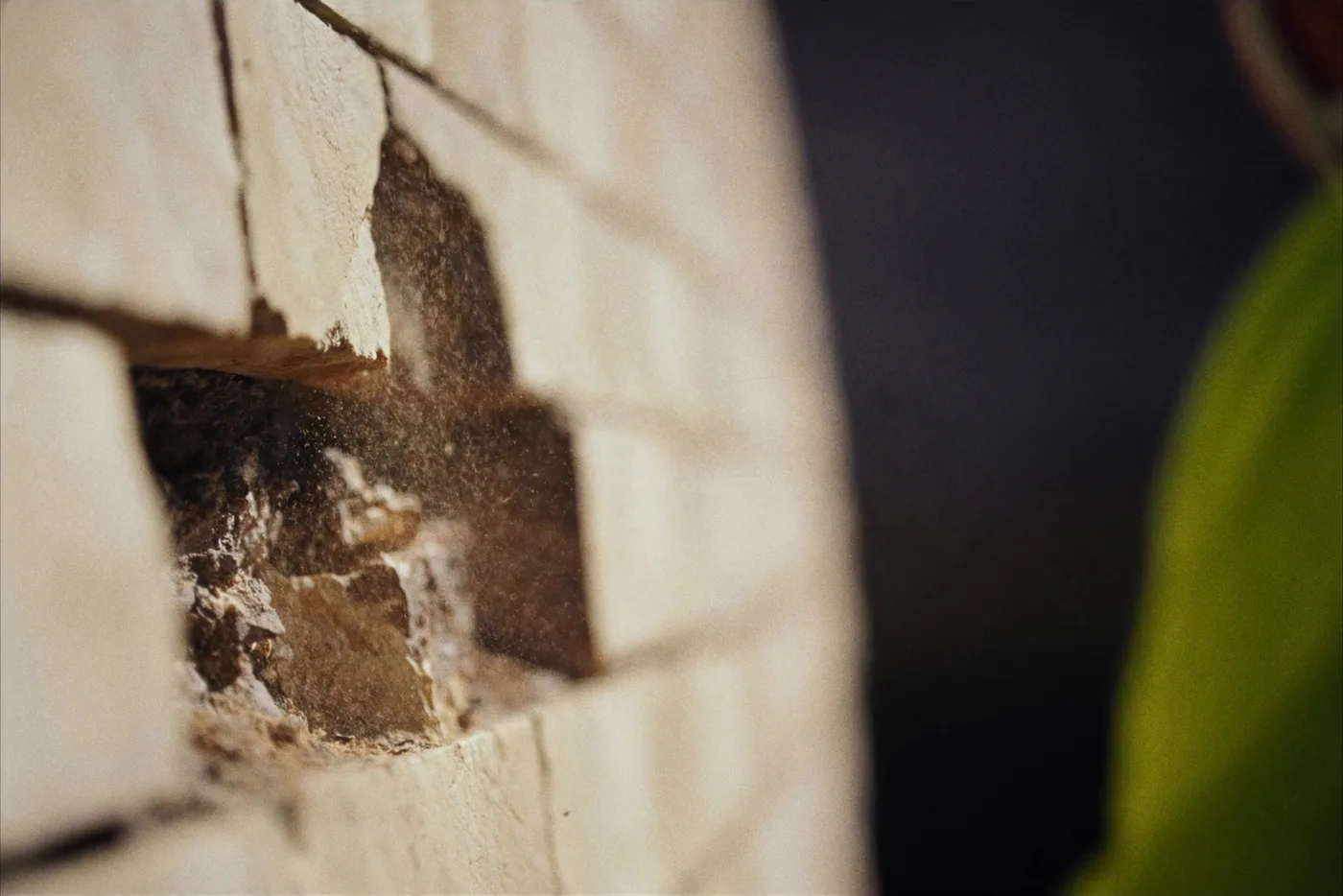
Failed pointing
Crumbling mortar joints that let the weather into the wall.

Chimney defects
Cracked pots, eroded mortar and failed flashings. Easy to miss from the ground.

Timber rot & woodworm
Decayed frames and sills that give way under a screwdriver.
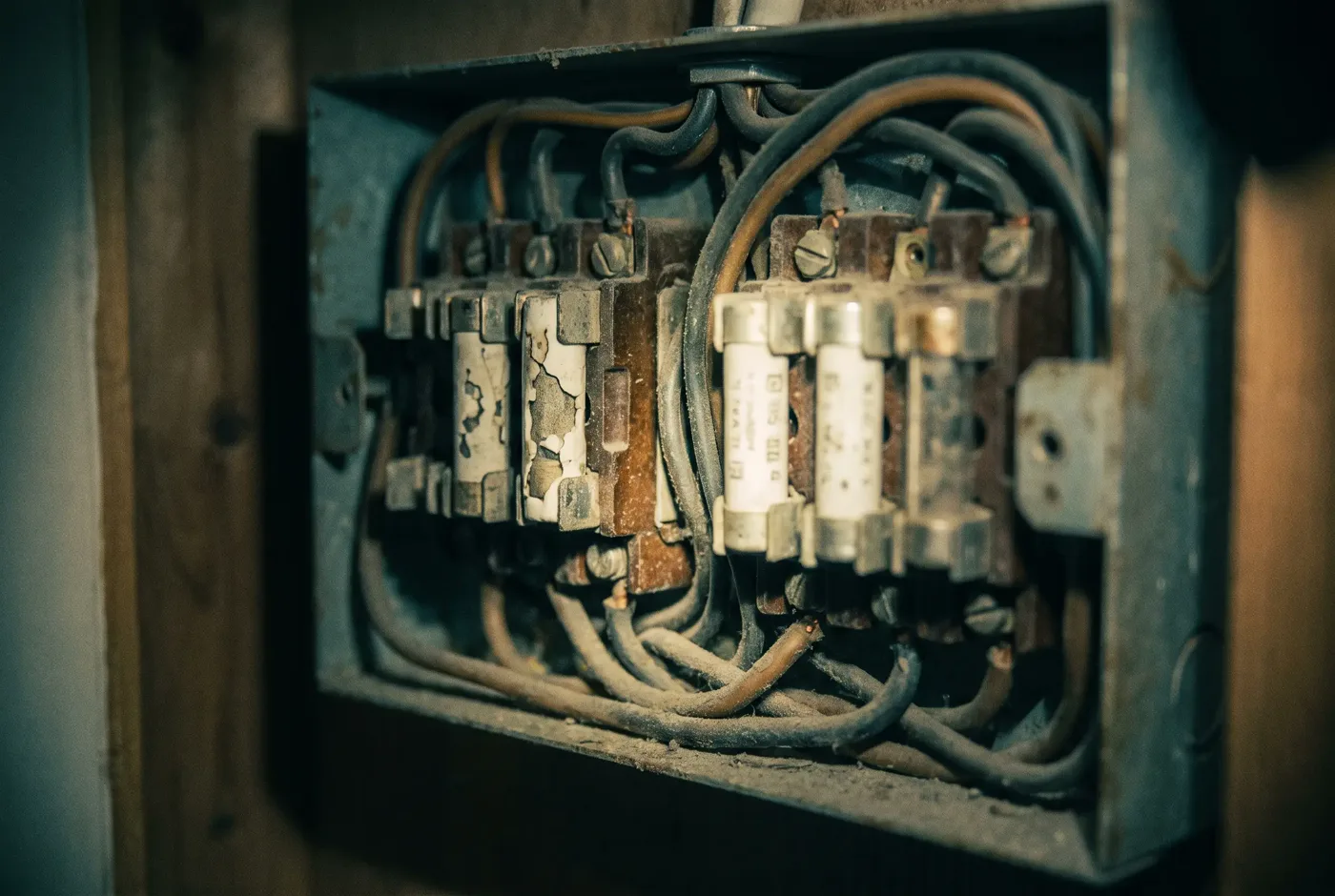
Dated or unsafe electrics
Old fuse boxes and tired wiring that may need testing or replacing.
A survey is a visual inspection of what’s accessible, not a guarantee. Checks outside its scope, like lifting floors or testing services, can be arranged separately.
What to expect
Your survey, on one live view.
Check availability, chat privately, book securely and track your surveyor. No phone calls, no chasing.
23 Acacia Road, SW18
RICS Level 2 · HomeBuyer Survey
 Sarah is 12 mins away
Live tracking
Sarah is 12 mins away
Live tracking
Sarah M. MRICS
★ 4.9 · 120 surveys
-
Booked & paid
£525 fixed, inc. VAT · Stripe
-
Surveyor en route Live
Arriving around 09:40
-
Inspection
Around 2–3 hours on site
-
Report delivered
Expected Fri 12 Jun
Private chat
Is the loft accessible on the day?
Yes — I’ll photograph the timbers for you.
Illustrative view — quotes, timings and availability vary by property and area.
Check availability
See each surveyor’s earliest visit and pick a slot that fits your timeline.
Chat privately
Ask about access, the loft, that crack in the render. Your details stay private until you book.
Book securely
Pay the fixed, VAT-inclusive quote online with Stripe. Written confirmation lands straight away.
Track your surveyor
Follow the job from booked, to inspected, to report delivered.
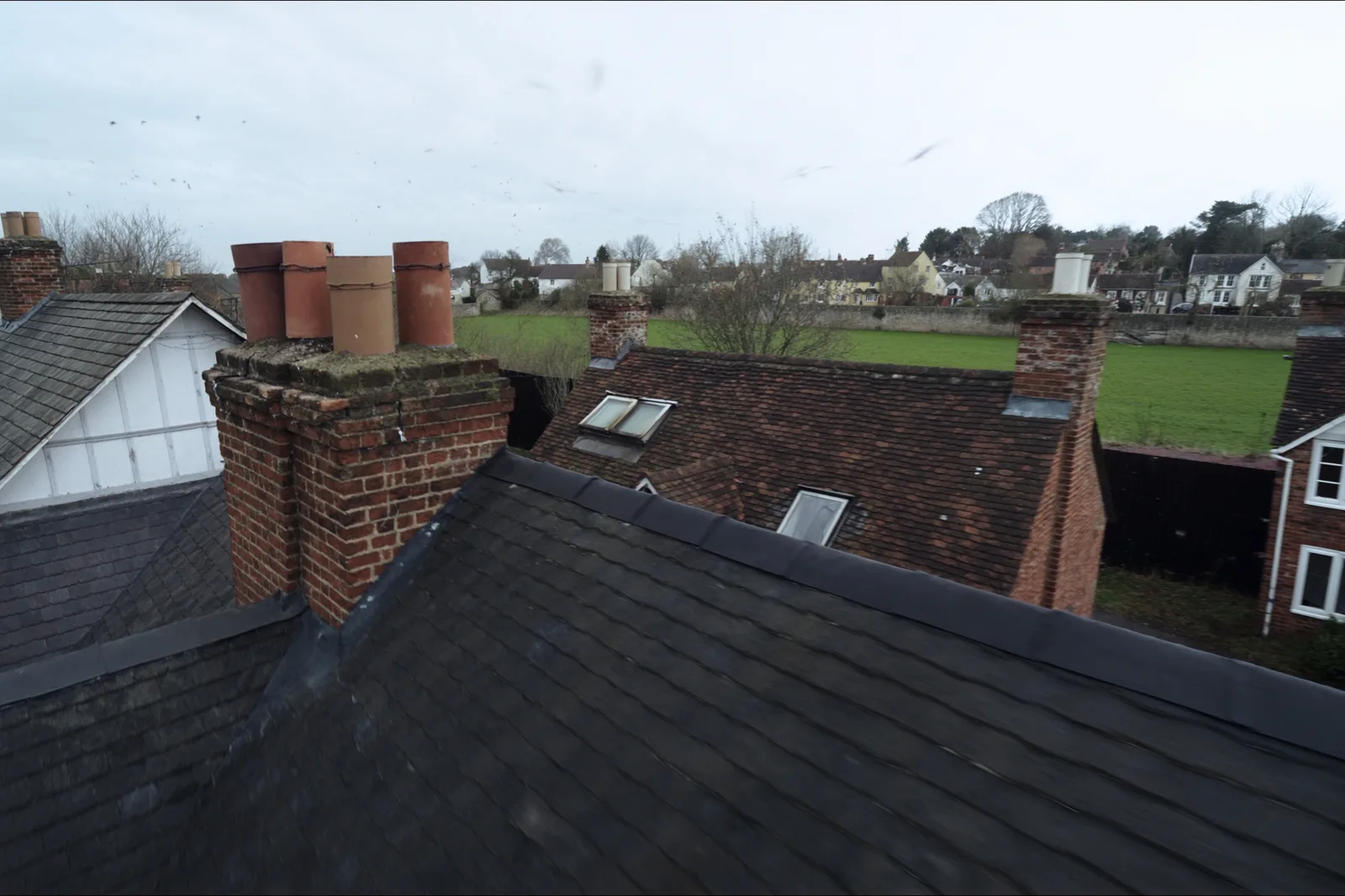
Your surveyor is the only person in the deal who’s actually been up to the roof.
Independent of the agent. Independent of the seller. Working for you.
Browse by type
Compare by survey type.
Pick the survey you need and get instant quotes from local firms.
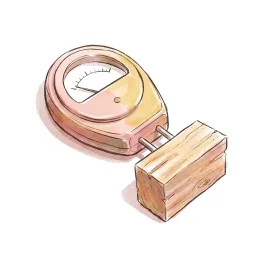
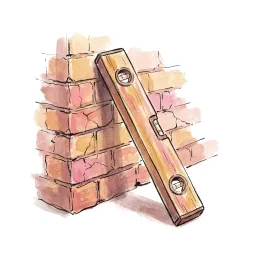
RICS home surveys
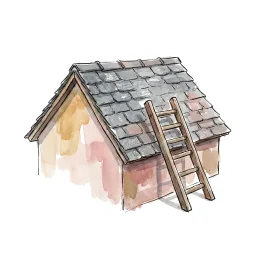
Specialist surveys


Valuations

Compliance & certificates
Which survey do you need?
RICS Level 2 vs Level 3.
Both are carried out by RICS-regulated surveyors to the RICS Home Survey Standard. The right one depends on the property’s age, size and condition.
Most common
RICS Level 2 — HomeBuyer Report

For conventional houses and flats in reasonable condition. Rates the main elements with a simple 1-2-3 traffic-light system and flags problems like damp and movement.
- ✓ Conventional, reasonably modern homes in good order
- ✓ 1-2-3 condition ratings on the main elements
- ✓ Flags damp, movement and obvious defects
For older / unusual homes
RICS Level 3 — Building Survey

A deeper inspection for older, larger, listed, altered or run-down homes, or where you’re planning major works. Explains what’s wrong, why, and what it will take to put right.
- ✓ Period, listed, extended or run-down properties
- ✓ Explains the cause and seriousness of defects
- ✓ Advises on repairs and further investigations
Not sure? Most standard homes need a Level 2. Choose Level 3 if the property is old, characterful or visibly tired. A mortgage valuation is not a survey — it protects the lender, not you.
Which survey do I need?
Answer three quick questions, get a recommendation.
Tell us about the property and we’ll point you at the right survey.
How much it costs
Survey costs in 2026.
The quote you see is the price you pay, VAT included. No “from” teasers, no add-ons at checkout.
RICS Level 2 — HomeBuyer
£400–£1,000
UK average around £500 · most standard homes £465–£685
RICS Level 3 — Building Survey
£600–£1,500
UK average around £900 · large, listed or period homes at the top
Price mostly tracks the property’s value, size, age and condition. London and the South East run 10-20% above average, and a Level 3 usually costs £200–£500 more than a Level 2 on the same home.
How long it takes
Inspection and report turnaround.
You can see who’s free first and book instantly, so the survey never holds up your purchase.
RICS Level 2
- On-site inspection
- ~1-4 hours
- Report delivered
- ~3-5 working days
RICS Level 3
- On-site inspection
- ~3-8 hours
- Report delivered
- ~5-10 working days
Allow one to two weeks from booking to report. Bigger or more complex homes take longer.
Why compare here
Comparing surveyors that actually means comparing.
Rivals make you fill in a form and wait for a panel to email estimates and call you back. Home.co.uk shows you bookable quotes you can confirm in minutes.
Real fixed prices
Every quote is the price you actually pay, VAT included.
Live availability
See who can inspect soonest and confirm there and then.
Genuine reviews
Real reviews help you weigh experience, not just price.
One trusted journey
Compare, pay and get confirmed in one place, on home.co.uk.
Regulated & accountable
Every surveyor is RICS-regulated.
Look for AssocRICS, MRICS or FRICS after a surveyor’s name. RICS regulation means standardised survey levels, a professional code of conduct, mandatory complaints handling and professional indemnity insurance behind every report.
- ✓ Follows the RICS Home Survey Standard (introduced 2021)
- ✓ Independent of the estate agent and the seller
- ✓ Accountable to you, the buyer

A Level 2 or Level 3 means the same defined scope whoever carries it out, so you’re comparing like for like — never the cheapest unqualified option.


Common questions
Surveys, answered.
What’s the difference between a RICS Level 2 and Level 3 survey?
How much does a Level 2 HomeBuyer survey cost in 2026?
How much does a Level 3 Building Survey cost in 2026?
How long does a survey take, and when will I get the report?
What does a house survey check for?
Do I actually need a survey when buying a house?
Is a survey the same as a mortgage valuation?
What does “RICS-regulated” mean and why does it matter?
Do the quoted prices include VAT, and are they the final price?
Which survey is right for a new-build property?
Does it matter whether the property is freehold or leasehold?
Should I just use the surveyor the estate agent recommends?
Can a survey help me renegotiate the price?

Know the house before it’s yours.
Fixed quotes, vetted RICS surveyors, booked online tonight. The survey is the cheapest part of buying a house, and the only part that tells you the truth.
Property for sale
Search homes for sale across the UK on Home.co.uk.
House prices
Check sold prices and local market trends before you buy.
For surveyors
RICS report tools and listings for surveyors on Home.co.uk.
Last reviewed · Every surveyor compared is regulated by RICS · General information, not professional advice.