














RICS Level 2 vs Level 3: which survey do you actually need?
The RICS Level 2 HomeBuyer Report and Level 3 Building Survey serve different purposes. Here is a plain account of what each covers and how to choose the right one for your property.
Getting a survey is one of the most important steps in buying a property. But the two main options, the RICS Level 2 HomeBuyer Report and the RICS Level 3 Building Survey, serve different purposes. Choosing the wrong one can leave you without the information you need before exchange.
Here is a plain account of what each covers and how to decide.
What is a RICS Level 2 HomeBuyer Report?
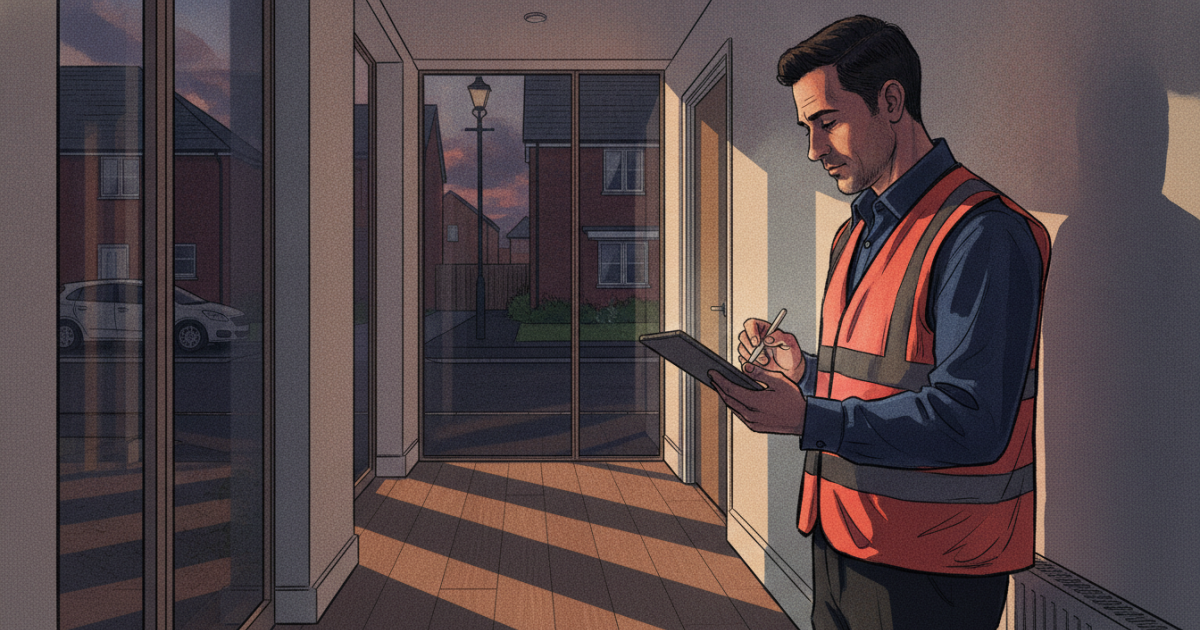
A Level 2 report, formally called a HomeBuyer Report, is a standardised visual inspection. The surveyor walks the accessible areas of the property and assigns a condition rating (1, 2 or 3) to each element: roof, walls, floors, windows, services and so on. The report flags anything that needs attention and identifies issues that a conveyancer should investigate.
It does not probe beneath floorboards, open up walls, or test every drain. It gives you a clear, structured picture of what is visible on the day. That report then goes to your solicitor, who uses it alongside searches during conveyancing to decide whether anything needs raising with the seller before exchange.
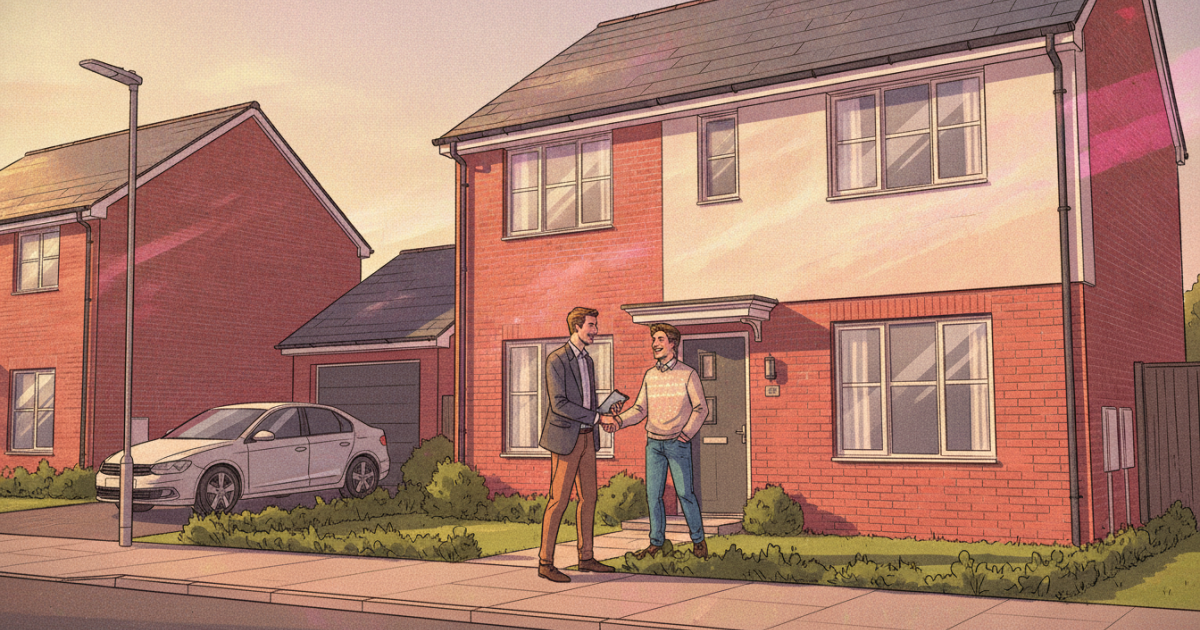
A 3-bed house in Fringford, Oxfordshire, listed at £350,000, is the sort of conventional modern property where a Level 2 report is usually all you need.
Level 2 is generally suitable for:
- Conventional properties built after roughly 1900
- Houses and flats in reasonable condition
- Standard brick-and-tile construction without obvious major defects
What is a RICS Level 3 Building Survey?
A Level 3 Building Survey (previously called a Full Structural Survey) is a more detailed, bespoke report. The surveyor inspects everything a Level 2 covers, but goes further: they probe suspect areas, lift accessible hatches, comment on construction methods, and describe defects in detail with advice on repair options and their likely cost ranges.
The report is longer, more technical, and written specifically for that property. It takes more time on site and more time to write.
Level 3 is generally the right choice for:
- Older properties, typically pre-1920 and anything with period or unusual construction
- Properties with known defects or obvious signs of damp, movement, or structural alteration
- Unusual construction types: timber frame, thatched roofs, listed buildings
- Any property where you want the full picture before committing
The main differences at a glance
| Level 2 | Level 3 | |
|---|---|---|
| Depth of inspection | Visual, standardised | Detailed, property-specific |
| Condition ratings | Yes, all elements | Yes, with fuller explanation |
| Repair cost guidance | Limited | Included where appropriate |
| Best for | Conventional, modern properties | Older, unusual, or higher-risk properties |
| Typical time on site | 1.5 to 3 hours | 3 to 5 hours |
Prices vary by region and surveyor. As a rough guide (not a quote), Level 2 reports typically start from around £400 for smaller properties; Level 3 reports from around £600. Always get a quote from a RICS-registered surveyor.
When buyers get it wrong
The most common mistake is choosing a Level 2 for an older or visibly tired property because it costs less. If issues emerge after exchange, a Level 2 report may not have flagged them, and you will have limited recourse.
A Level 3 on a modern flat in good condition, on the other hand, is rarely necessary and adds cost without proportionate benefit.
A simple rule
If you are buying a Victorian terrace, a property with any visible cracks, a conversion, or anything built before 1920, get a Level 3. For a 1980s or newer house in apparently good condition, a Level 2 will usually serve you well.
Not sure which level you need? Home can connect you with a RICS-registered surveyor, or ask one from your network. They are required to act in your interest, not upsell you.
More surveyors are now dictating findings on site and using AI to structure the write-up, which is speeding up turnaround without changing what gets inspected: see why surveyors are choosing AI-assisted drafting. Once your survey is back and any issues are resolved, the next stage is exchange and completion: our moving checklist covers everything in between.
You can find properties to buy on Home and check house prices in any area before you decide.
Survey prices quoted are illustrative estimates based on industry ranges. Always obtain a quote from a RICS-registered surveyor for your specific property. Home does not provide surveying services.
Further reading: RICS on home surveys.
Thinking about your next move?
See what your home's worth in seconds, with the UK's longest-running property data behind it.
Get an instant valuation