 Buy
Buy Rent
Rent Sell
Sell New
New Prices




Structural engineers
Compare structural engineers for the home you're buying
Worried about cracks, subsidence or movement? Compare local chartered structural engineers on fixed price, earliest availability and reviews, then book online in minutes.
Completely private unless you choose to book.

Every engineer
chartered & professionally insured
£0
hidden fees — fixed prices inc. VAT
UK-wide
local engineer coverage
12 mins
from postcode to booked
What a structural engineer is reading
A crack is a clue. An engineer reads it.
Movement leaves marks all over a building. A chartered engineer knows which ones are old and settled, and which ones are still on the move.
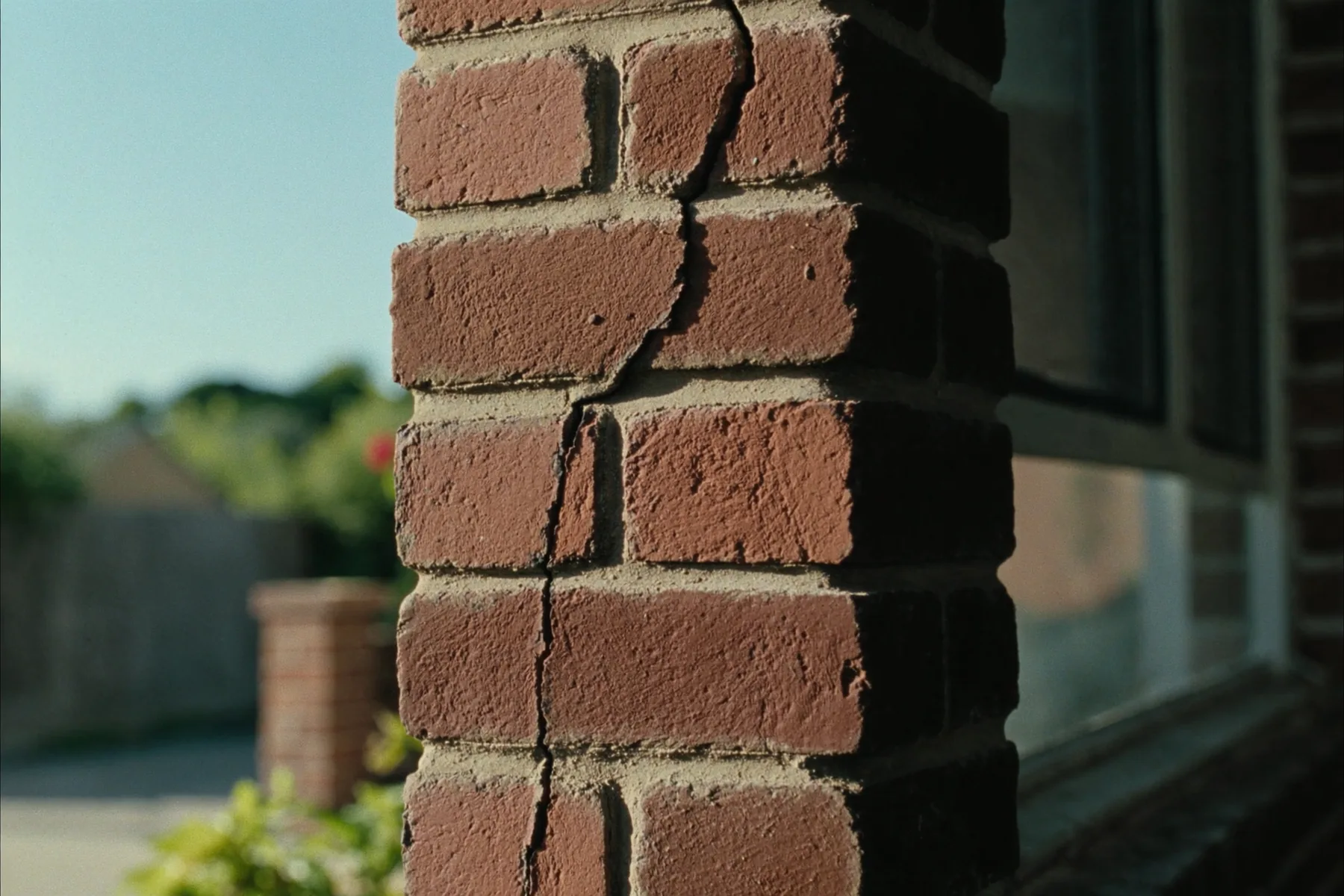
Cracking & structural movement
Diagonal, stepped cracking driven through the brickwork. The engineer judges whether it's historic and stable, or active and progressing.
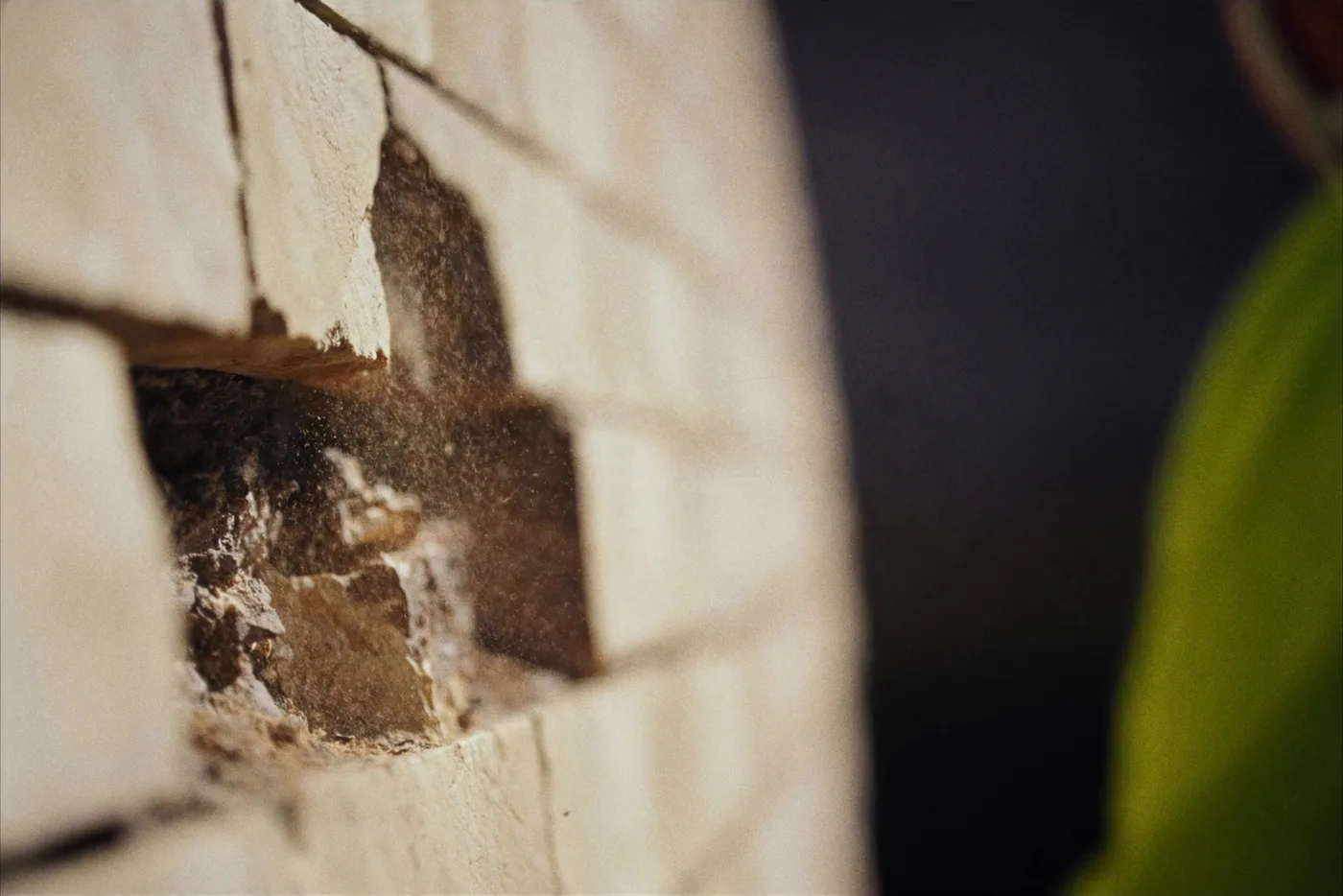
Failing joints & wall movement
Crumbling mortar and opening joints that can signal lateral movement or failing wall ties behind the face.

Cracked masonry & leaning stacks
Split pots, eroded mortar and stacks pulling out of line, adding load to the structure beneath.

Sagging floors & decayed timber
Deflecting, overloaded or rotten joists and beams that let floors dip and walls spread outwards.

Deflection overhead
Sagging and tide-marks that can betray a deflecting beam or an overloaded structure above.
A structural survey is a visual inspection of the accessible structure, not a guarantee. Confirming active movement can need trial holes or a period of crack monitoring, arranged separately.
What to expect
Your booking, on one live view.
Check availability, chat privately, book securely and track your structural engineer. No phone calls, no chasing.
23 Acacia Road, SW18
Structural Survey / Engineer's Report
 Sarah is 12 mins away
Live tracking
Sarah is 12 mins away
Live tracking
Sarah M.
★ 4.9 · 120 jobs
-
Booked & paid
£500 fixed, inc. VAT · Stripe
-
On the way Live
Arriving around 09:40
-
On site
~1–3 hours on site for a targeted concern; longer for a full structural appraisal
-
Report delivered
Expected Fri 12 Jun
Private chat
Is the loft accessible on the day?
Yes — I'll photograph everything for you.
Illustrative view — quotes, timings and availability vary by property and area.
Check availability
See each provider's earliest visit and pick a slot that fits your timeline.
Chat privately
Ask anything before you commit. Your details stay private until you book.
Book securely
Pay the fixed, VAT-inclusive quote online with Stripe. Written confirmation lands straight away.
Track the job
Follow it from booked, to attended, to report delivered.
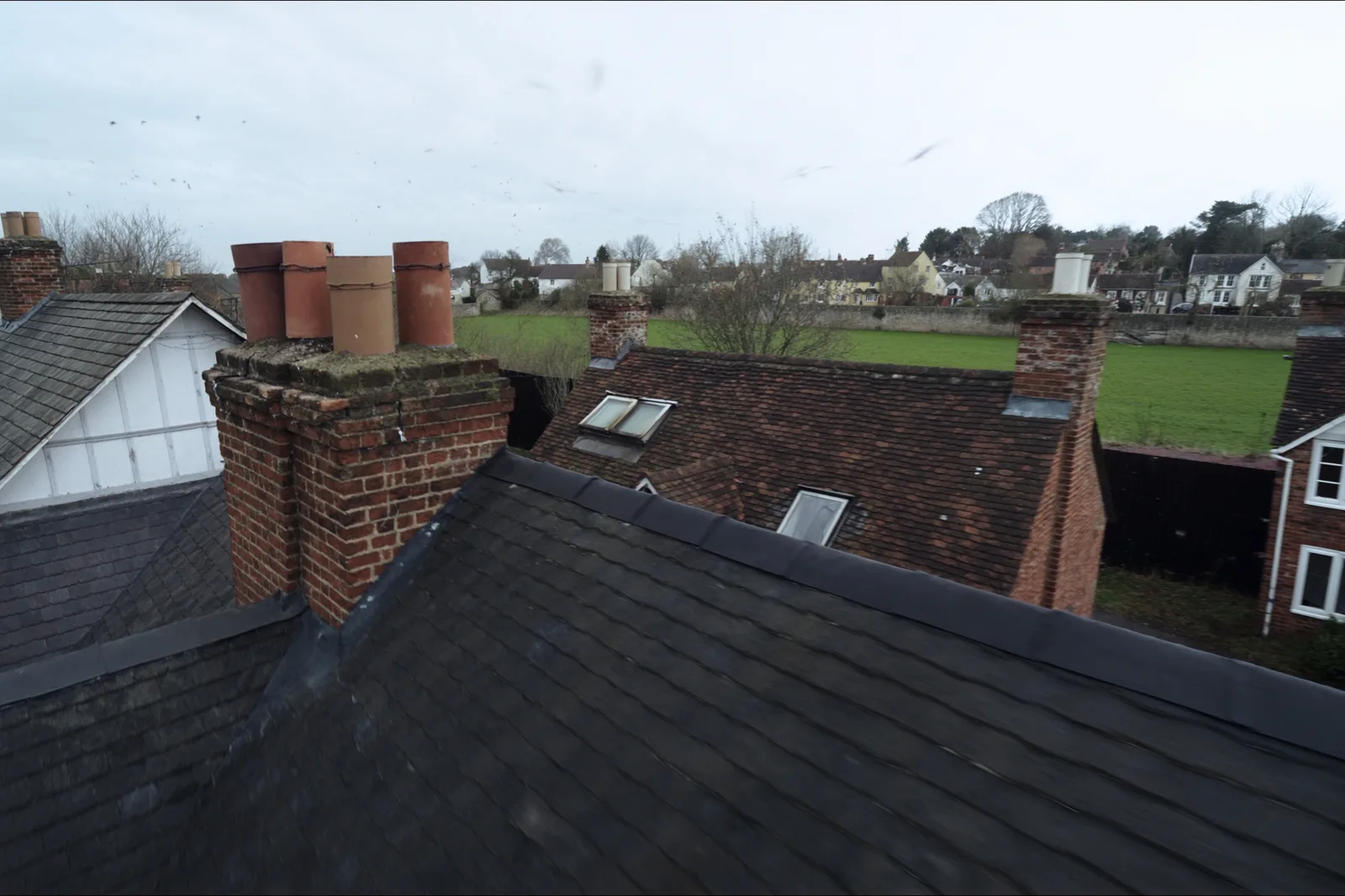
The engineer is the only person in the deal who can tell you whether that crack is cosmetic or catastrophic.
Independent of the agent, the seller and the vendor's builder. The calculations answer to you.
Is this the right one?
Who a Structural survey is for.
- Your RICS Level 2 or Level 3 survey has flagged cracking, movement or subsidence and recommends a structural engineer's opinion
- You can see diagonal or stepped cracks, bowing or leaning walls, sloping floors, or doors and windows that no longer close square
- You're planning to remove a chimney breast or knock through a load-bearing wall and need calculations and a beam specification
- A lender, buildings insurer or your conveyancer has asked for a structural engineer's report before they'll proceed
- You're buying an older, altered, extended or previously underpinned property and want certainty about its structural condition
How much it costs
Structural survey cost in 2026.
On Home.co.uk a structural survey is a fixed £495–£995 inclusive of VAT — the quote you see is the price you pay, with no "from £X" teasers and no add-ons appearing at checkout.
£500–£1,500
UK average roughly £600–£750 for a single defect or concern; full structural appraisals run higher
Price is driven by the scope (a single crack or wall versus a whole-property structural appraisal), the property's size and age, and whether design calculations or a beam specification are required. Trial holes, monitoring studs or follow-up visits are quoted separately and only ever agreed with you in advance.
How long it takes
Appointment and turnaround.
On-site / inspection
~1–3 hours on site for a targeted concern; longer for a full structural appraisal
Report / certificate
~3–7 working days, depending on whether design calculations are needed
allow roughly 1–2 weeks from booking to report; crack monitoring, where recommended, runs over several months
Why compare here
Comparing that actually means comparing.
Rivals make you fill in a form and wait for a panel to email estimates and call you back. Home.co.uk shows you bookable quotes you can confirm in minutes.
Real fixed prices
Every quote is the price you actually pay, VAT included.
Live availability
See who can attend soonest and confirm there and then.
Genuine reviews
Real reviews help you weigh experience, not just price.
Or let Homemove arrange it
Prefer a hands-off route? Homemove's managed service appoints a vetted local provider for you, with a dedicated account manager.
Regulated & accountable
Every provider is IStructE / RICS.
A structural survey is carried out by a chartered structural or civil engineer — typically registered with the Institution of Structural Engineers (IStructE, denoted MIStructE) or the Institution of Civil Engineers (ICE) — or by a RICS building surveyor specialising in structures, and is backed by professional indemnity insurance. This is not a standard RICS home survey: the engineer can assess loads, design beams and produce calculations that lenders, insurers and Building Control will accept.
- ✓ Institution of Structural Engineers (IStructE)
- ✓ RICS — Royal Institution of Chartered Surveyors
- ✓ GOV.UK — Building Regulations approval

When you compare on Home.co.uk you're comparing like-for-like, accredited providers — never the cheapest unqualified option.

Common questions
Structural survey, answered.
What is a structural survey, and how is it different from a RICS Level 3?
Do I need a structural survey if I'm already having a Level 2 or Level 3?
Who carries out a structural survey?
Are the quoted prices fixed and do they include VAT?
Should I worry about cracks I can see in the property?
What is subsidence, and will a structural survey confirm it?
Will I need a structural survey to remove a wall or chimney breast?
Can a structural engineer's report help with my mortgage or insurance?
Does a structural survey come with a guarantee?
How long will crack monitoring take if it's recommended?
Keep comparing
Other surveys & reports you can compare.

Specialist surveys
Snagging survey
Compare snagging inspectors and book online.
Specialist surveys
Damp & timber survey
Compare specialist surveyors and book online.

Specialist surveys
Asbestos survey
Compare asbestos surveyors and book online.
Specialist surveys
Roof survey
Compare surveyors and book online.

Know what's moving before you commit.
Subsidence and structural repairs can run into tens of thousands. A chartered engineer's report tells you exactly what you're taking on, and often gives you the grounds to renegotiate or walk away.
Property for sale
Search homes for sale across the UK on Home.co.uk.
House prices
Check sold prices and local market trends before you buy.
Compare surveyors
All RICS surveys, valuations and reports in one place.
Last reviewed · Providers compared are IStructE / RICS · General information, not professional advice.