














Specialist survey
Compare damp & timber specialists for the home you’re buying
Instant quotes from local damp and timber surveyors. Compare fixed prices, earliest availability and reviews — then book securely through Home.co.uk.
Completely private unless you choose to book.

Every survey
by a PCA- or RICS-accredited specialist
£0
hidden fees — fixed price inc. VAT
UK-wide
local specialist coverage
12 mins
from postcode to booked
What your specialist is looking for
It's rarely what you can see. Find the cause first.
A damp and timber survey is a trained pair of eyes on the walls, floors and timbers behind the paint. This is what specialists diagnose every week.
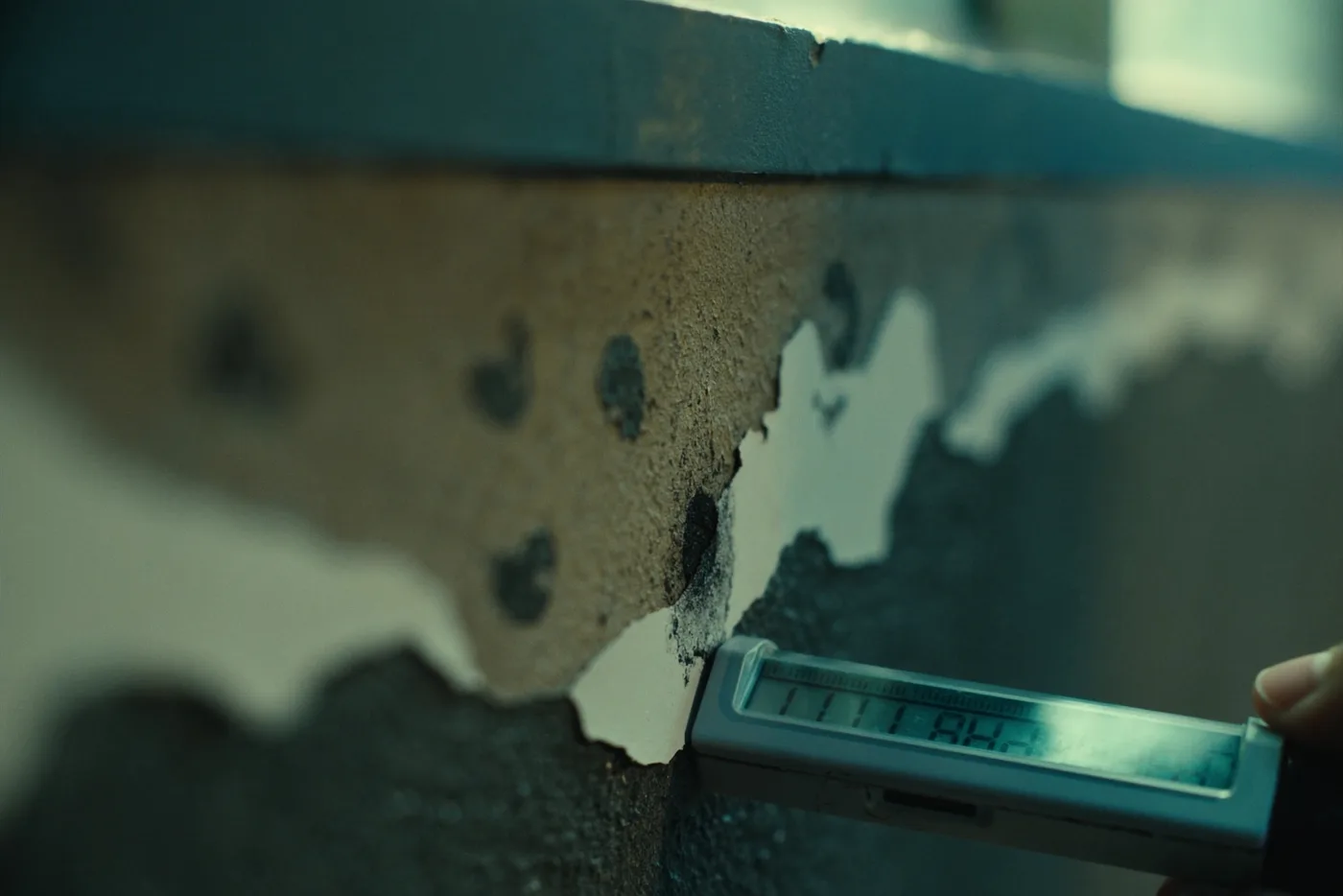
Moisture readings
Meter readings taken across walls and timbers to map how far the damp really reaches, and to tell a surface symptom from a structural cause.
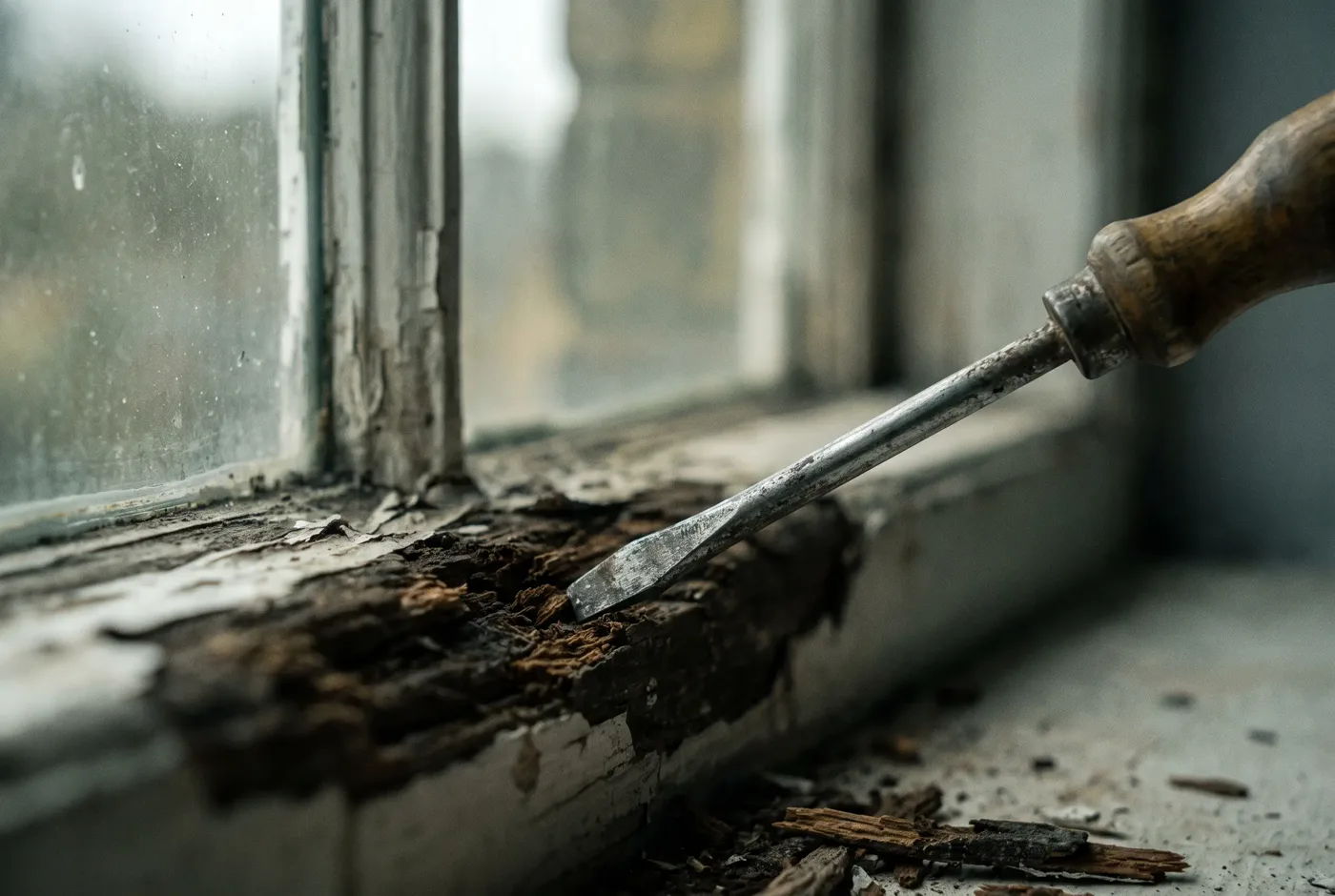
Wet & dry rot
Softened, decayed timber in skirtings, joists and frames, checked for which rot it is and how far the decay has travelled.

Condensation & black mould
The most common damp of all — everyday moisture settling on cold surfaces and failed seals, usually a ventilation fix rather than damp-proofing.

Penetrating damp
Tide-marks and staining that trace water finding its way in through the fabric above.

Hidden leaks
Corroded joints and slow drips quietly feeding damp from behind the plaster.
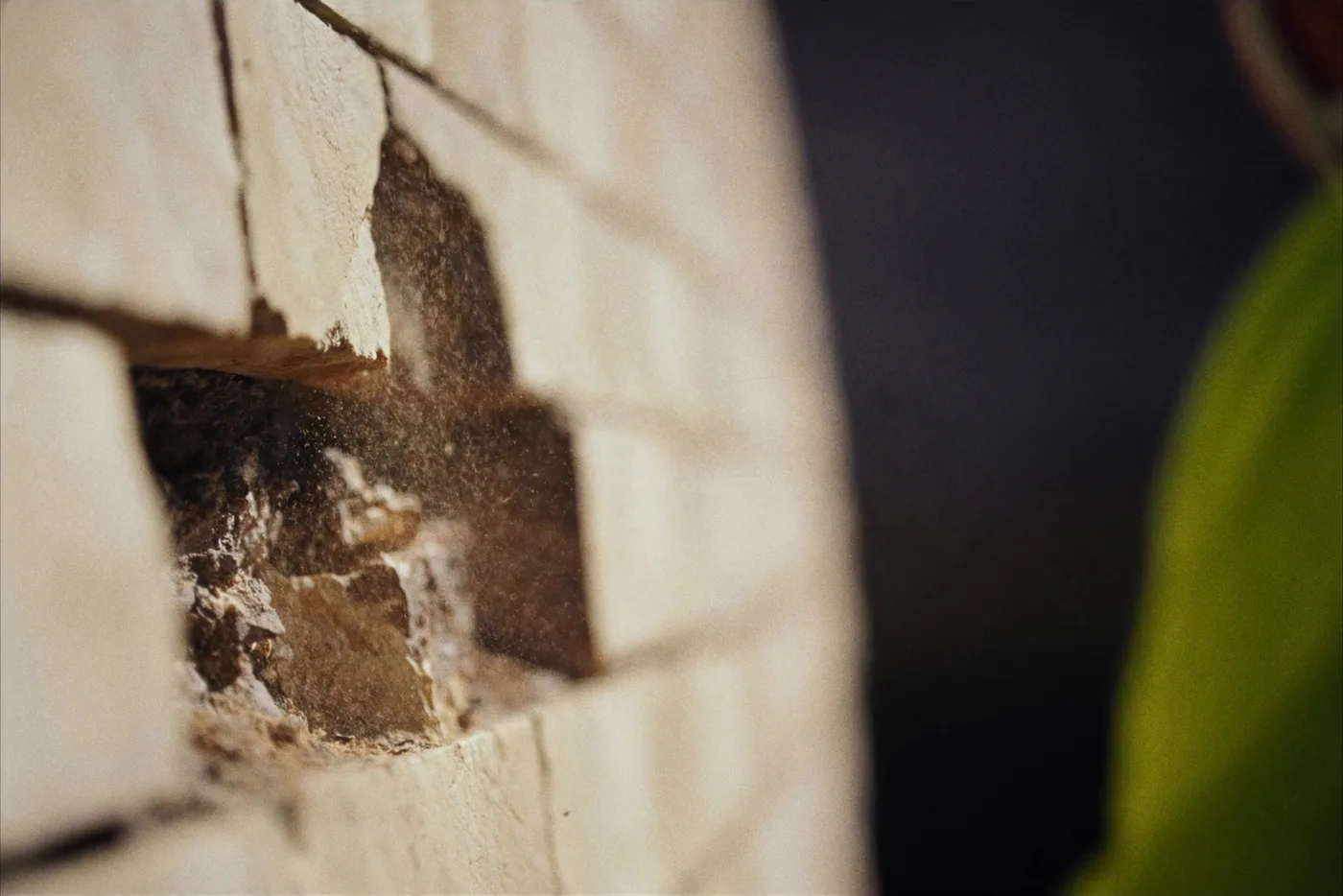
Failed pointing
Crumbling mortar joints that let the weather soak straight into the wall.
A damp and timber survey inspects the accessible walls, floors and timbers on the day. It's a diagnosis, not a guarantee — areas under fitted floors or behind permanent fixtures can be checked separately.
What to expect
Your booking, on one live view.
Check availability, chat privately, book securely and track your specialist surveyor. No phone calls, no chasing.
23 Acacia Road, SW18
Damp & Timber Survey
 Sarah is 12 mins away
Live tracking
Sarah is 12 mins away
Live tracking
Sarah M.
★ 4.9 · 120 jobs
-
Booked & paid
£150 fixed, inc. VAT · Stripe
-
On the way Live
Arriving around 09:40
-
On site
~1-2 hours on site
-
Report delivered
Expected Fri 12 Jun
Private chat
Is the loft accessible on the day?
Yes — I'll photograph everything for you.
Illustrative view — quotes, timings and availability vary by property and area.
Check availability
See each provider's earliest visit and pick a slot that fits your timeline.
Chat privately
Ask anything before you commit. Your details stay private until you book.
Book securely
Pay the fixed, VAT-inclusive quote online with Stripe. Written confirmation lands straight away.
Track the job
Follow it from booked, to attended, to report delivered.
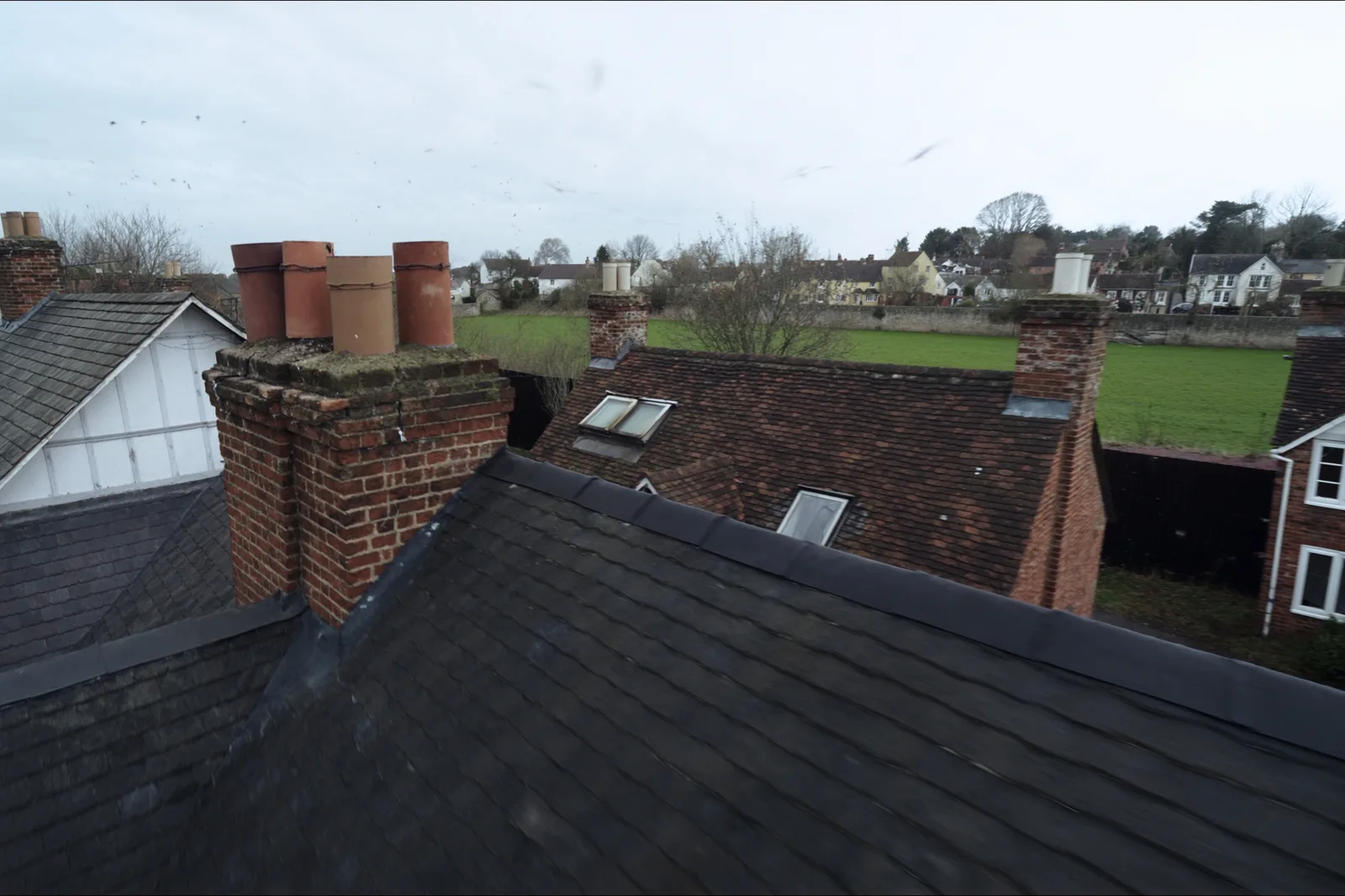
The only damp report worth reading is the one from someone who isn't selling you the treatment.
Independent of the contractor. Independent of the seller. A diagnosis of the cause, not a quote for the cure.
Is this the right one?
Who a Damp & timber survey is for.
- Buyers whose RICS Level 2 or Level 3 survey flagged damp, rot or woodworm and recommended further specialist investigation
- Anyone buying an older or period property where rising damp, condensation and timber decay are more common
- Buyers who can see or smell damp, peeling plaster, tide marks or a musty odour and want the cause diagnosed
- Owners planning to remortgage, renovate or extend who need a clear picture of damp and timber condition first
- Anyone handed a treatment quote by a contractor who wants an independent second opinion before committing to remedial work
How much it costs
Damp & timber survey cost in 2026.
On Home.co.uk a damp & timber survey is a fixed £549 inc VAT — the quote you see is the price you pay, with no “from £X” teasers and no add-ons at checkout.
£150–£600
UK average around £300-£400
Price depends mainly on the size and age of the property, the extent of the damp or timber concern, and location. Some contractors offer a ‘free’ survey, but these are usually tied to selling you remedial treatment — an independent, paid investigation keeps the diagnosis impartial.
How long it takes
Appointment and turnaround.
On-site / inspection
~1-2 hours on site
Report / certificate
~2-5 working days
Allow around 1 week from booking to report; larger or more complex properties can take a little longer.
Why compare here
Comparing that actually means comparing.
Rivals make you fill in a form and wait for a panel to email estimates and call you back. Home.co.uk shows you bookable quotes you can confirm in minutes.
Real fixed prices
Every quote is the price you actually pay, VAT included.
Live availability
See who can attend soonest and confirm there and then.
Genuine reviews
Real reviews help you weigh experience, not just price.
Or let Homemove arrange it
Prefer a hands-off route? Homemove's managed service appoints a vetted local provider for you, with a dedicated account manager.
Regulated & accountable
Every provider is PCA / RICS.
A damp and timber investigation is a specialist job, not a general RICS condition survey. It is carried out either by a CSRT-qualified damp and timber surveyor accredited by the Property Care Association (PCA), or by a RICS-regulated surveyor working to recognised standards. Accreditation means the diagnosis follows established industry methods and the surveyor is accountable to a professional body, so you get an impartial view of cause and cure rather than a sales pitch for treatment.
- ✓ Property Care Association (PCA)
- ✓ RICS — Royal Institution of Chartered Surveyors
- ✓ RICS Home Surveys

When you compare on Home.co.uk you're comparing like-for-like, accredited providers — never the cheapest unqualified option.

Common questions
Damp & timber survey, answered.
What is a damp and timber survey?
How is this different from a RICS Level 2 or Level 3 survey?
How much does a damp and timber survey cost?
Aren’t damp surveys free?
Who carries out the survey, and are they qualified?
What’s the difference between rising, penetrating and condensation damp?
What is the difference between wet rot and dry rot?
Do I need treatment if woodworm is found?
Can the findings help me renegotiate the price?
Is a damp survey the same as a mortgage valuation?
How long does the survey take and when do I get the report?
Is the survey a guarantee that the property is damp-free?
Keep comparing
Other surveys & reports you can compare.
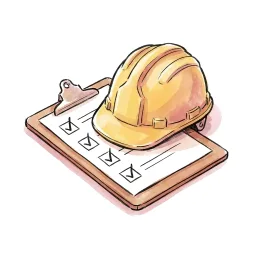
Specialist surveys
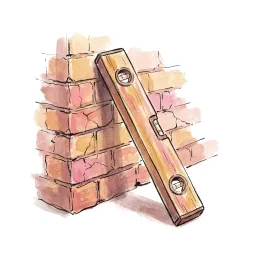
Snagging survey
Compare snagging inspectors and book online.
Specialist surveys
Structural survey
Compare structural engineers and book online.

Specialist surveys
Asbestos survey
Compare asbestos surveyors and book online.
Specialist surveys
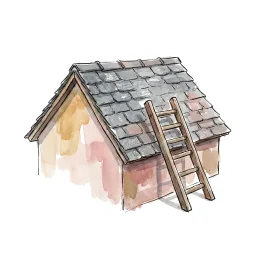
Roof survey
Compare surveyors and book online.
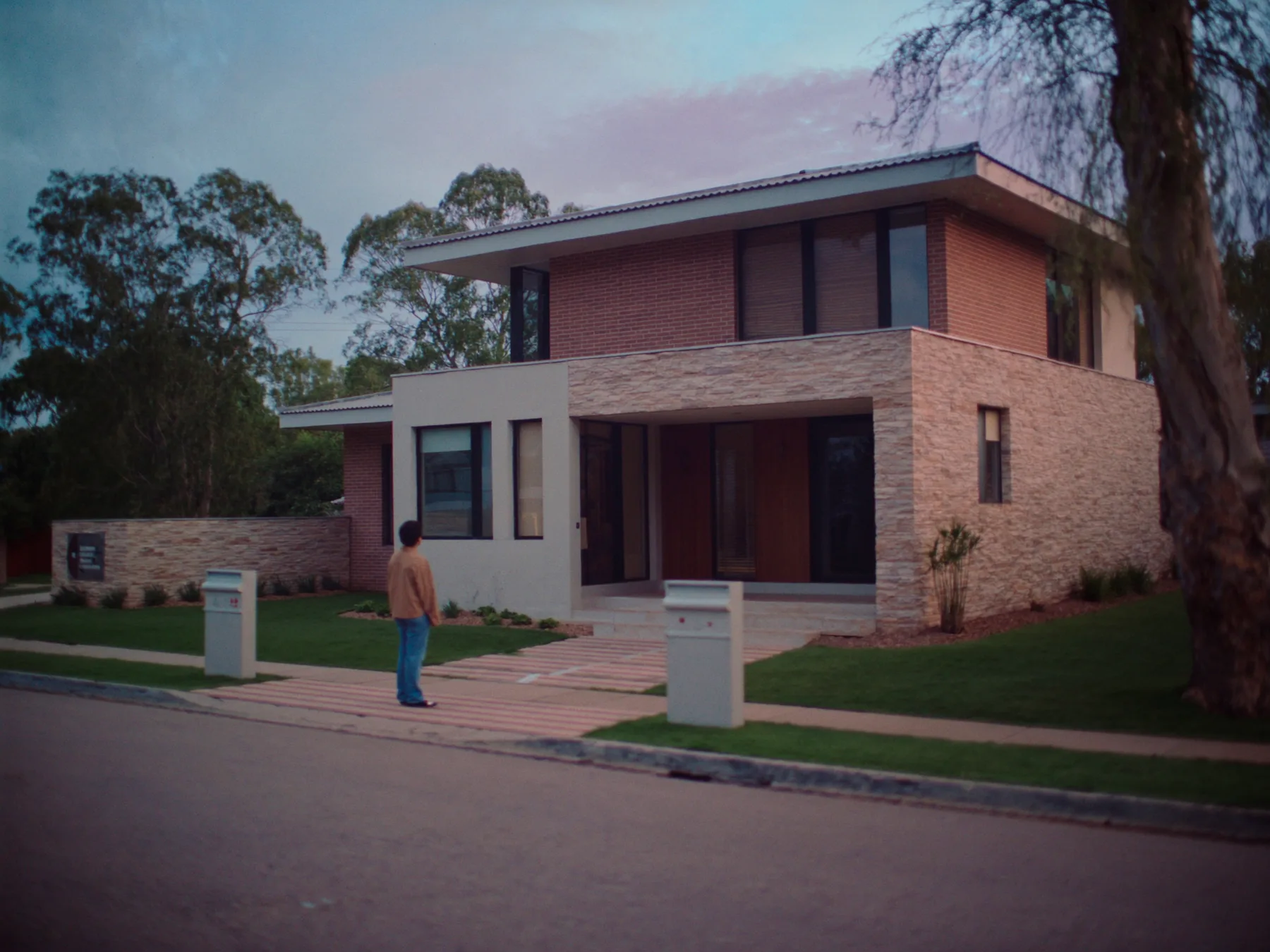
Diagnose the damp before you buy the problem.
A damp and timber survey pins down the cause and what it costs to put right — evidence to renegotiate with, or the peace of mind that the tide mark was nothing. Independent, fixed price, booked online tonight.
Property for sale
Search homes for sale across the UK on Home.co.uk.
House prices
Check sold prices and local market trends before you buy.
Compare surveyors
All RICS surveys, valuations and reports in one place.
Last reviewed · Providers compared are PCA / RICS · General information, not professional advice.