


















New-build snagging
Compare new-build snagging inspectors for the home you're buying
Instant quotes from local snagging inspectors. Compare fixed prices, earliest availability and reviews, then book your new-build inspection through Home.co.uk.
Completely private unless you choose to book.

Every inspector
independent of your developer, working for you
£0
hidden fees — fixed prices inc. VAT
UK-wide
local snagging inspectors
12 mins
from postcode to booked
What to expect
Your booking, on one live view.
Check availability, chat privately, book securely and track your snagging inspector. No phone calls, no chasing.
23 Acacia Road, SW18
New-Build Snagging Survey
 Sarah is 12 mins away
Live tracking
Sarah is 12 mins away
Live tracking
Sarah M.
★ 4.9 · 120 jobs
-
Booked & paid
£300 fixed, inc. VAT · Stripe
-
On the way Live
Arriving around 09:40
-
On site
Around 2 to 4 hours on site for a typical house, longer for larger detached homes
-
Report delivered
Expected Fri 12 Jun
Private chat
Is the loft accessible on the day?
Yes — I'll photograph everything for you.
Illustrative view — quotes, timings and availability vary by property and area.
Check availability
See each provider's earliest visit and pick a slot that fits your timeline.
Chat privately
Ask anything before you commit. Your details stay private until you book.
Book securely
Pay the fixed, VAT-inclusive quote online with Stripe. Written confirmation lands straight away.
Track the job
Follow it from booked, to attended, to report delivered.
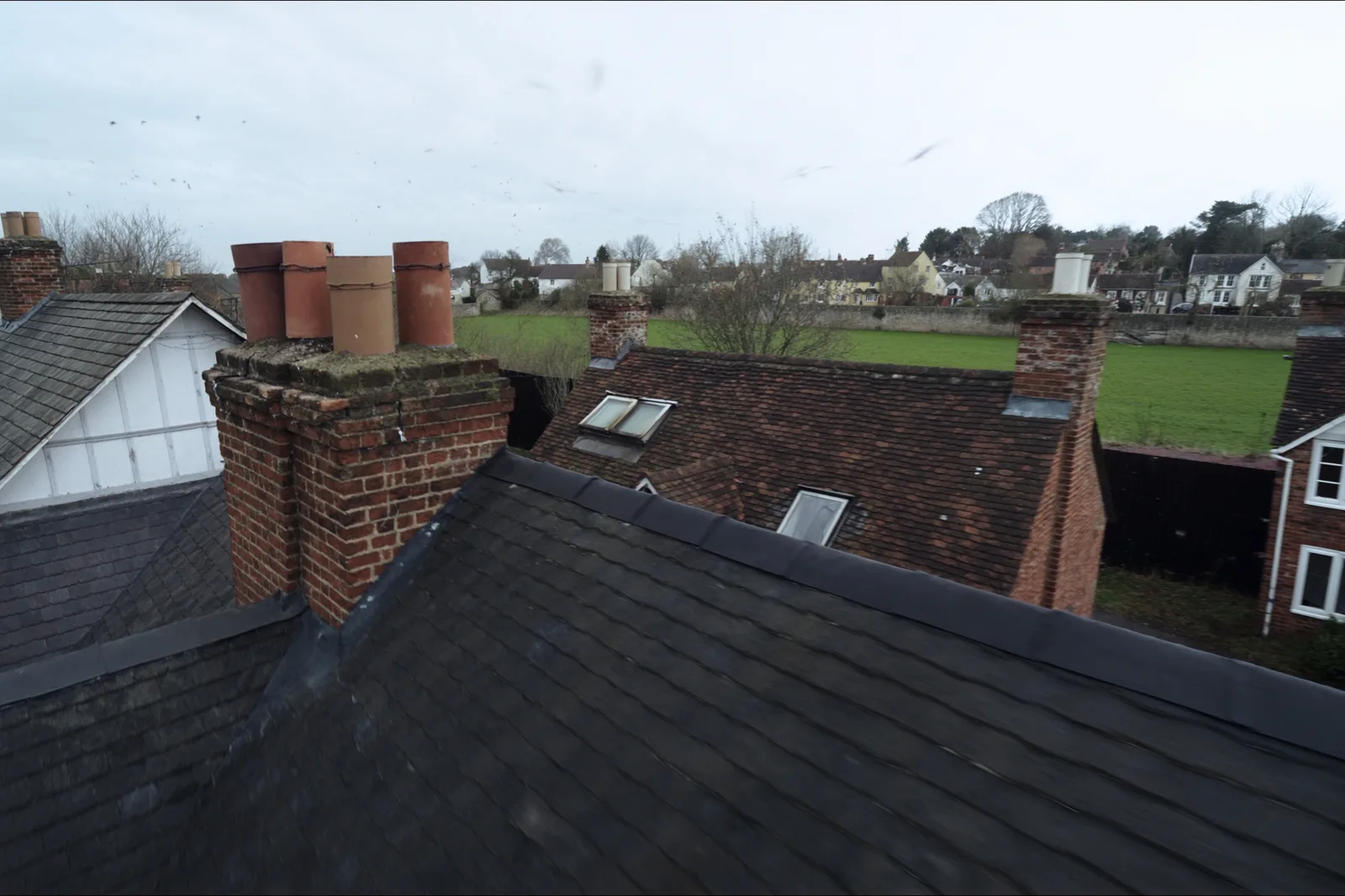
The site manager signs the house off. Your inspector signs it off for you.
Independent of the developer, listing every snag in writing while you still have the leverage to get them put right.
Is this the right one?
Who a Snagging survey is for.
- You're buying a brand-new home from a developer and want an independent check before you accept the keys
- You've reserved off-plan and want a pre-completion inspection booked before your legal completion date
- You moved in recently and want to capture defects in writing while the developer's defect-liability period still applies
- You're approaching the end of the first year and want an 11-month inspection before that initial warranty period lapses
- You want one impartial list of snags to hand the housebuilder, rather than chasing the site manager item by item
What you get
What a snagging survey reveals
Poor decorative finish
Paint runs and patchy coverage, scuffed walls, blown or cracked plaster, gaps in skirting, architrave and coving, and badly finished joints throughout the new home.
Kitchen & bathroom defects
Misaligned or chipped units, scratched worktops, unsealed or lippy tiling, gaps in the silicone around baths and basins, and stiff or loose handles fresh from the fit-out.
Doors, windows & glazing
Doors that bind or won't latch, windows that don't operate or lock properly, failed draught seals, scratched glass and missing trickle vents.
External envelope
Mortar smears and damaged brickwork or render, poorly finished pointing, gutters and downpipes that aren't seated, and untidy driveways, paths and boundary treatments left by the site team.
Services not commissioned
Loose socket plates and switches, an unlabelled consumer unit, missing boiler or ventilation commissioning paperwork, and sockets or taps that haven't been function-tested.
Roof & loft details
Cracked, slipped or missing tiles visible from ground level, poorly bedded ridge tiles, untidy flashings, and a loft hatch, ladder or insulation left incomplete.
Incomplete & missing items
Work the developer simply hasn't finished: absent ironmongery, unfitted appliances, snagging left from earlier trades and items still on the builder's own punch list.
Urgency-graded snag list
Each defect is logged by room with photos and a severity grade, typically Critical, Incomplete, Cosmetic or a general note, so the developer can triage what to fix first.
A documented record for your warranty
Reference-numbered, time-stamped snags grouped by location, the evidence trail you need if a defect later escalates to an NHBC, LABC, Premier Guarantee or ICW warranty claim.
How much it costs
Snagging survey cost in 2026.
On Home.co.uk you book at a fixed price of £449 to £599 inc VAT, set by the number of bedrooms and whether it's a pre-completion or post-completion visit, and the quote you see is the price you pay
£300–£600
UK average roughly £300 to £600 depending on size
Price is driven mainly by the number of bedrooms and the size of the property, plus region and whether the inspection is pre- or post-completion. Larger detached homes and apartments with communal areas sit at the upper end.
How long it takes
Appointment and turnaround.
On-site / inspection
Around 2 to 4 hours on site for a typical house, longer for larger detached homes
Report / certificate
Usually within around 1 to 2 working days, often same day
Allow a few days from booking to report, and book pre-completion inspections well ahead of your completion date
Why compare here
Comparing that actually means comparing.
Rivals make you fill in a form and wait for a panel to email estimates and call you back. Home.co.uk shows you bookable quotes you can confirm in minutes.
Real fixed prices
Every quote is the price you actually pay, VAT included.
Live availability
See who can attend soonest and confirm there and then.
Genuine reviews
Real reviews help you weigh experience, not just price.
Or let Homemove arrange it
Prefer a hands-off route? Homemove's managed service appoints a vetted local provider for you, with a dedicated account manager.
Regulated & accountable
Every provider is RICS / RPSA.
Snagging is not a RICS-defined survey level the way a Level 2 or Level 3 is, so an inspector does not have to be a chartered surveyor. The inspectors compared here are property professionals all the same: many are chartered through RICS or accredited by the RPSA (Residential Property Surveyors Association), and others are experienced ex-site managers and construction specialists. What matters is that they are independent of the developer and accountable to you, not the housebuilder.
- ✓ RICS — Home surveys standard
- ✓ NHBC — New homes warranty
- ✓ HomeOwners Alliance — New-build snagging guide

When you compare on Home.co.uk you're comparing like-for-like, accredited providers — never the cheapest unqualified option.
Common questions
Snagging survey, answered.
What is a new-build snagging survey?
When should I book a snagging survey?
Is a snagging survey the same as a RICS Level 2 HomeBuyer survey?
Is a snagging survey the same as the lender's mortgage valuation?
How much does a snagging survey cost in 2026?
What does a snagging inspector check?
How long does a snagging inspection take and when do I get the report?
Do I do anything with the snag list, or does the inspector?
Can I still get a snagging survey after I've completed?
What is an 11-month snagging inspection?
How does a snagging survey relate to my NHBC or LABC warranty?
Do snagging inspectors need to be RICS-qualified?
Keep comparing
Other surveys & reports you can compare.
Specialist surveys
Damp & timber survey
Compare specialist surveyors and book online.
Specialist surveys
Structural survey
Compare structural engineers and book online.

Specialist surveys
Asbestos survey
Compare asbestos surveyors and book online.
Specialist surveys
Roof survey
Compare surveyors and book online.

Get the snags fixed before you complete.
New builds are rarely as finished as they look. An independent, room-by-room snag list, photographed and dated, is how you hold the developer to putting every defect right while the keys are still theirs to hand over.
Property for sale
Search homes for sale across the UK on Home.co.uk.
House prices
Check sold prices and local market trends before you buy.
Compare surveyors
All RICS surveys, valuations and reports in one place.
Last reviewed · Providers compared are RICS / RPSA · General information, not professional advice.