 Buy
 Rent
 Sell
 New
 Prices






Rightmove's £1.5bn lawsuit: what independent agents need to know before November
The Competition Appeal Tribunal has set 2–3 November 2026 as the first hearing date for the £1.5bn opt-out class action against Rightmove. Here is what independent agents should understand before the autumn renewal window.
In this article
The date is set. On 2 November 2026, with 3 November held in reserve, the Competition Appeal Tribunal in London will hear the application for a Collective Proceedings Order, the certification step, in a £1.5bn opt-out class action against Rightmove. The claim, funded by Innsworth and led by Jeremy Newman, a former senior figure at the Competition and Markets Authority, alleges that Rightmove abused its dominant position in the UK property portal market through excessive agent subscription fees.
This is not a verdict. A first hearing is procedural, but it is the moment the case formally enters the public record, and it will generate substantial coverage in the trade press and national media.
Here is what it means for independent agents thinking about their portal strategy.
The fee context
To understand why this case exists, you have to look at the numbers.
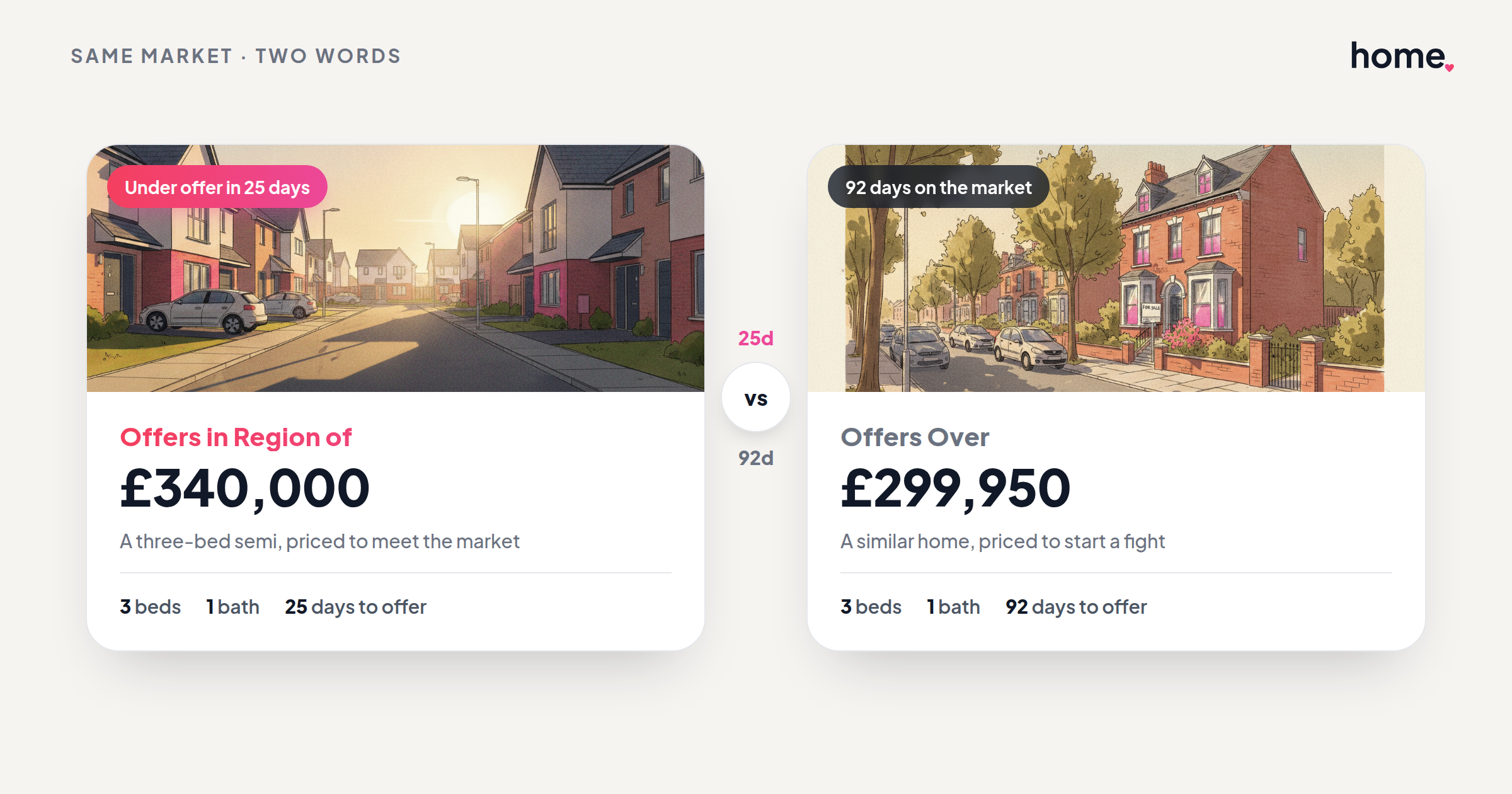
Rightmove reported an average revenue per advertiser of £1,621 per branch per month in its FY2025 results. For a single-branch independent agent, that is more than £19,000 a year to list properties on one portal.
That figure has risen sharply. Agents reported increases of roughly 18 to 20 per cent in 2025, followed by a further 12 per cent rise announced in February 2026. Two years of compounding above inflation, while most agent fee income has tracked the property market rather than portal pricing.
The class action argues that these increases, and the underlying fee level, reflect a misuse of market power rather than competitive pricing. Whether the Tribunal agrees is a question for the courts. What is not in dispute is the financial pressure the increases have placed on independent branches.
What the court date changes
Before a first hearing date is set, a class action is a statement of intent. Once the Tribunal has formally accepted the case for certification, it becomes a live legal proceeding with a timetable.
For agents, this matters in a few ways.
First, the November window will bring the fee argument back into the national conversation. Estate agent trade publications, national newspapers, and property industry commentators will cover the hearing. Agents who have absorbed fee increases quietly for three years will see the conversation surfaced publicly again.
Second, the legal timetable creates uncertainty for Rightmove's own pricing decisions. A company facing a billion-pound liability case in court is unlikely to announce large fee increases in the months around a hearing. That uncertainty, while not a guarantee, gives agents more negotiating room in the renewal cycle that typically runs from October to January.
Third, Rightmove itself has had a difficult year on the markets. The company was demoted from the FTSE 100 to the FTSE 250 in June 2026, after its share price fell roughly 46 per cent over twelve months, partly under the weight of the class action and a £60m AI investment programme. A financially pressured company and a legally pressured one are both more open to commercial conversations than a dominant one comfortable in its position.
What independent agents can do now
The class action does not resolve anything in the short term. The hearing in November is a procedural step, not a verdict. If the case runs its full course, a final outcome could be years away.
What agents can do now is use the November window to revisit their portal mix with clearer eyes.
The fundamental question has not changed: for every pound you spend on portals, what do you get back in terms of vendor instructions, buyer enquiries, and let properties? That analysis looks different for a five-branch independent firm in a regional market than for a large corporate network. It also looks different when you are paying £1,621 a month versus a fraction of that.
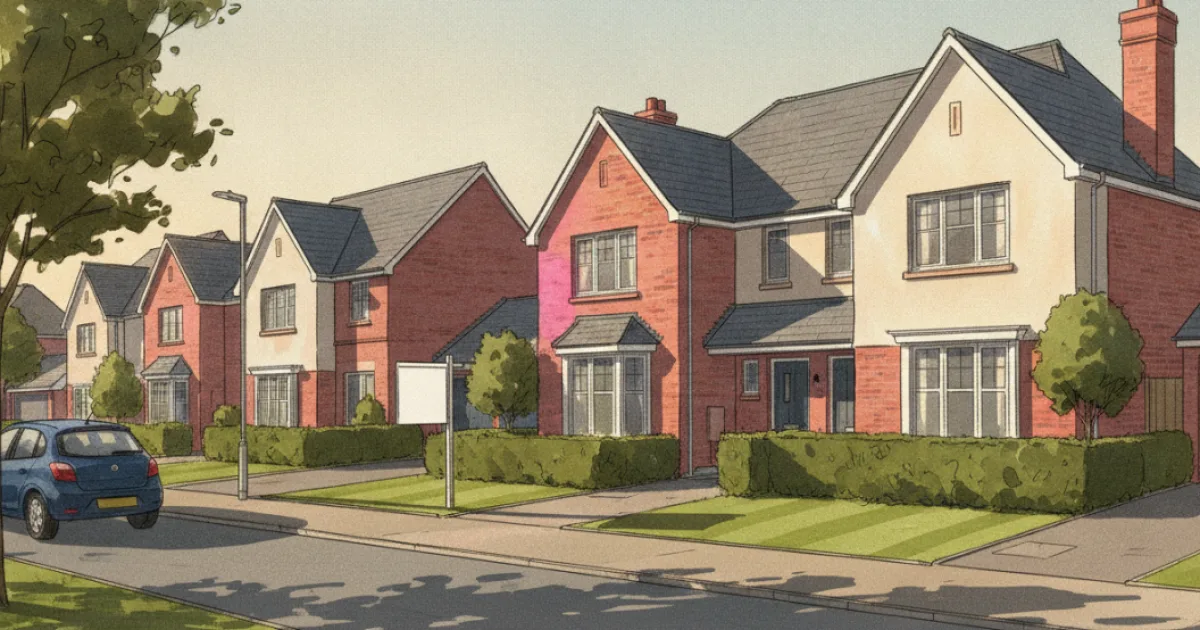
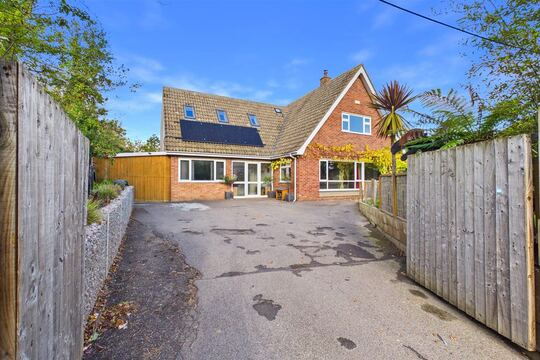
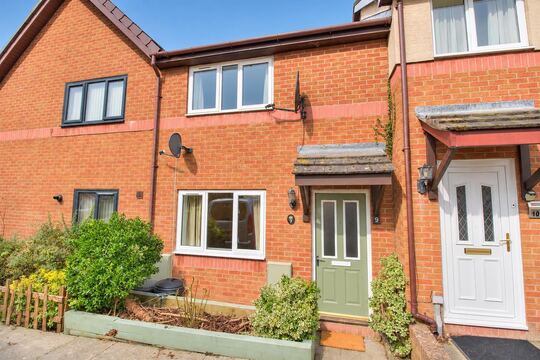
Home tracks 1,249,531 live UK property listings right now, sale and rental combined, from three-bed family houses like this one in Fringford, Oxfordshire at £350,000 to city flats. We also offer genuine comparison tools that buyers and vendors use to shortlist agents, and listings that are free for estate agents to add rather than metered by subscription tier. Our traffic is not Rightmove's traffic. We are not going to pretend it is. What we do offer is a second presence, a lower cost of trial, and a platform built around the agent rather than built to extract from them.
If you have been thinking about where your next marketing pound should go, the autumn is a reasonable moment to test the question.
A note on honest expectations
It would be wrong to present this lawsuit as Rightmove's downfall. The company has 16,000-plus listed branches, decade-long consumer habits behind it, and 31 active AI initiatives in development. It will not disappear. Agents who drop it entirely often find they lose instructions to competitors who still list there.
The more realistic question is not whether to list on Rightmove, but whether to list only on Rightmove, and whether the price you are currently paying for that exclusivity is justified by the return. We have made the case for a second, cheaper portal before this lawsuit existed, and we will keep making it after November's hearing, whatever the Tribunal decides.
The court will decide whether Rightmove's fees are unlawful. You do not have to wait for that verdict to decide whether they represent value for your agency.
If you want to talk about what listing on Home looks like for your branches, you can find us at home.co.uk/agents.
Further reading: the Competition Appeal Tribunal case file.