 Buy
 Rent
 Prices
 New
 Sell






Guide · Selling · Phil Spencer
Tips for selling your home.
Thirteen tips from Phil Spencer, presenter of Channel 4's Location, Location, Location, on getting your home sold: what to do before it goes on the market, how to pick an agent, how to handle viewings and offers, and how to hold the deal together.
In 30 seconds
- Decide who your buyer is, then declutter, freshen up and clean so they can picture living there.
- Get three agent valuations, and don't just pick the highest.
- Start with one agent on a short contract and agree the fee in writing.
- Go out during viewings, and judge offers on the buyer's position, not just the price.
- Talk to your agent and solicitor every week until contracts are exchanged.
home.co.uk analysis of estate agent listings and HM Land Registry data; time to sell is for homes completed in September 2026.
Tips 1 to 4
Before it goes on the market.
1. Know your buyer, and your timing
Think about who is most likely to buy your home, and set it up for them without putting off anyone else. If a professional couple is the likely buyer, turn the study back into a second bedroom and find a corner for a desk, so it still works for a young family. Spring and early autumn have traditionally been the busiest times to sell.
2. Declutter and depersonalise
Buyers need to imagine themselves living there. Put away ornaments, photos and posters, store what you don't use every day, and move big furniture out to make rooms feel larger. Focus on the hallway, the bathroom and the kitchen: clear coats, toiletries and worktops.
3. Freshen up
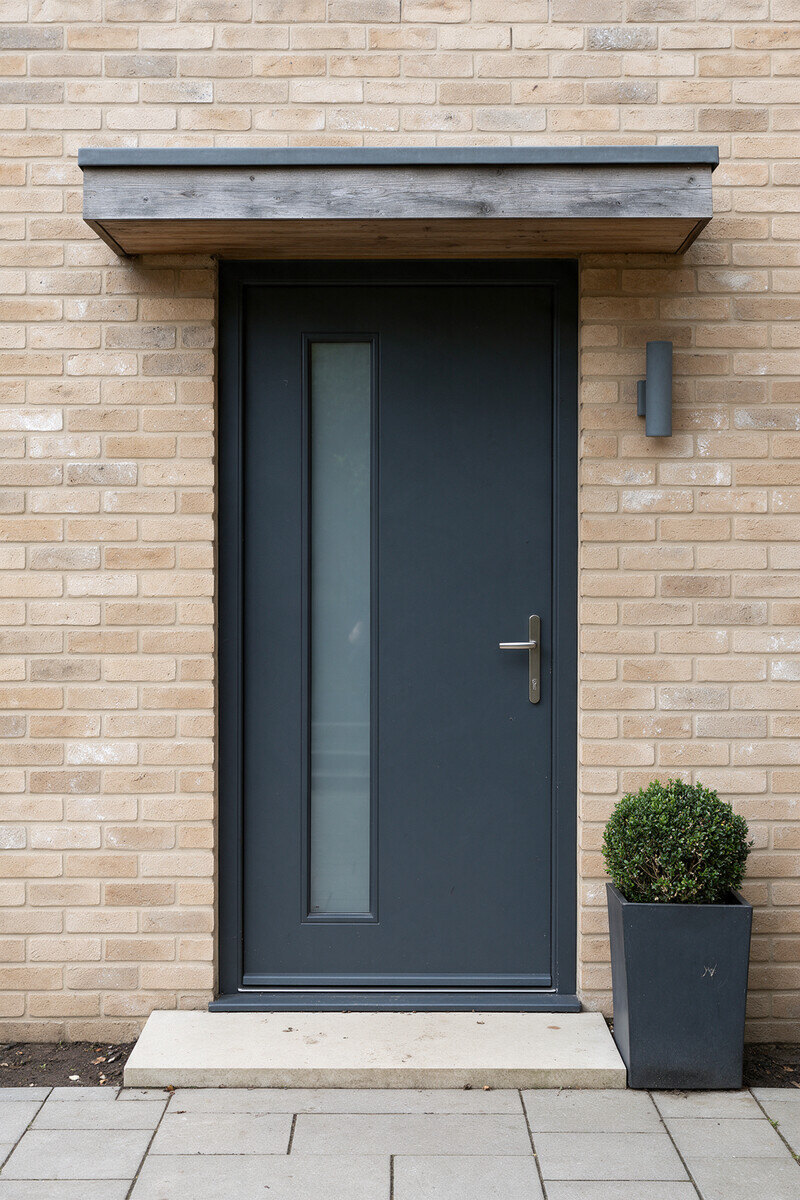
Neutral paint, regrouted tiles, a couple of new kitchen doors and matching fittings go a long way. Replace dead bulbs, repaint the front door, take down heavy curtains and add a few flowers.
4. Clean everything
A professional clean of carpets, sofas, the oven and the windows is money well spent. Kitchens and bathrooms must feel spotless. Clear out stuffed wardrobes, because buyers do look inside, and treat the garden as an extra room.
Tips 5 to 8
Agent, solicitor and price.
5. Choose your agent and solicitor early
Get three agents round to value your home. Don't automatically pick the highest valuation, or the agent you are buying through. Negotiate the shortest tie-in you can, so you can change agent if you are unhappy. Instruct a solicitor early and gather your paperwork: certificates for building work and any guarantees.
Compare estate agentsWhat local agents sold, how fast and for how much
6. Keep the costs down
Sole agency is cheaper than multi-agency. Phil suggests giving one agent the first four weeks to sell. Negotiate the fee and get the final figure in writing, ask your solicitor to explain every cost, and check with your lender for any early repayment charge so you know the lowest price you can accept.
7. Price it right
Valuing a home is not an exact science. Valuations from agents are free, so get at least three, and check what similar homes nearby have sold for. Agree a realistic asking price with your agent based on those sold prices.
 Value my homeA free instant estimate for your address
8. Get the word out
Always put a board up, and tell your neighbours. The right buyer may live round the corner.
Tips 9 and 10
Viewings that sell.
9. Prepare for every viewing
First impressions count. Tidy the front and the hallway, take pets out, air the house, turn on the lights and heating, and don't cook anything strong beforehand. Leave the parking space free for the buyer.
10. Let the agent show it
Phil recommends going out while the agent does the viewing. If you have to show it yourself, plan the route, start or finish with the best rooms, keep it business-like, mention the odd real positive like a south-facing garden, and then let people look round again on their own with you nearby.
Tips 11 and 12
Offers and buyers.
11. Choose the best buyer, not just the best price
Ask your agent how each buyer is paying. Cash is best; with a mortgage, ask for their agreement in principle. First-time buyers may need more help through the legal work. If a buyer has a home to sell, it should be under offer before you take yours off the market.
12. Accepting an offer
Your agent must pass on every offer. Ask for offers in writing with the buyer's position. Know what you want to take with you: curtains, furniture and appliances can be useful to bargain with.
Tip 13
Hold the deal together.
The longer it takes to exchange, the more likely the sale is to fall through or the buyer to drop their price. Speak to your solicitor and agent every week, so you know where the legal work is and how keen your buyer still is.
 Get conveyancing quotesFixed fees from firms near you
About the author
Phil Spencer.
Phil Spencer co-presents Channel 4's Location, Location, Location and Relocation, Relocation. For every stage of a sale in detail, read our step-by-step guide to selling a house.
Questions
Questions people ask.
When is the best time to sell my home?
Phil's advice: spring and early autumn, when buyers have traditionally outnumbered homes for sale. A well-priced, well-presented home sells in any season.
How many estate agents should value my home?
At least three. Valuations are free. Don't simply pick the highest figure, or the agent you are also buying through: a high valuation is an old trick to win the instruction.
Should I use sole agency or multi-agency?
Phil recommends starting with one agent on a short sole agency, which costs less, and giving them about four weeks to sell. Negotiate the shortest tie-in you can so you can switch if the service is poor.
Who is the best buyer for my home?
Not always the highest offer. Cash buyers and buyers with nothing to sell are strongest. If they need a mortgage, ask for their agreement in principle; if they have a home to sell, it should be under offer before you take yours off the market.
What devalues a house the most?
Problems that are costly to fix and that make lenders cautious: structural movement, Japanese knotweed (surveyors follow specific RICS guidance on it), a short lease, a high flood risk (see the GOV.UK flood risk check) and a poor energy rating. Some can be fixed or managed before you sell; the rest must be disclosed and will be reflected in offers.
What adds the most value to a house?
Extra usable space, such as an additional bedroom or bathroom, and better energy efficiency. A 2013 government study of 325,950 homes sold in England between 1995 and 2011 found energy efficiency was a key factor in sale prices. Decorating and repairs add less value, but help a home sell.
What is the most important thing when selling a house?
The price. Set it on the evidence of what similar homes nearby actually sold for, not on hope or the highest valuation. A well-priced home gets viewings and offers; an overpriced one sits and ends up reduced.
What is the hardest month to sell a home?
December is usually the quietest, with the summer holidays close behind. We cover the selling calendar in when to sell.
Sources
- Tips: Phil Spencer, for home.co.uk. Updated for 2026 by the home.co.uk team.
- Typical asking price and time to sell: home.co.uk analysis of estate agent listings and HM Land Registry Price Paid Data.